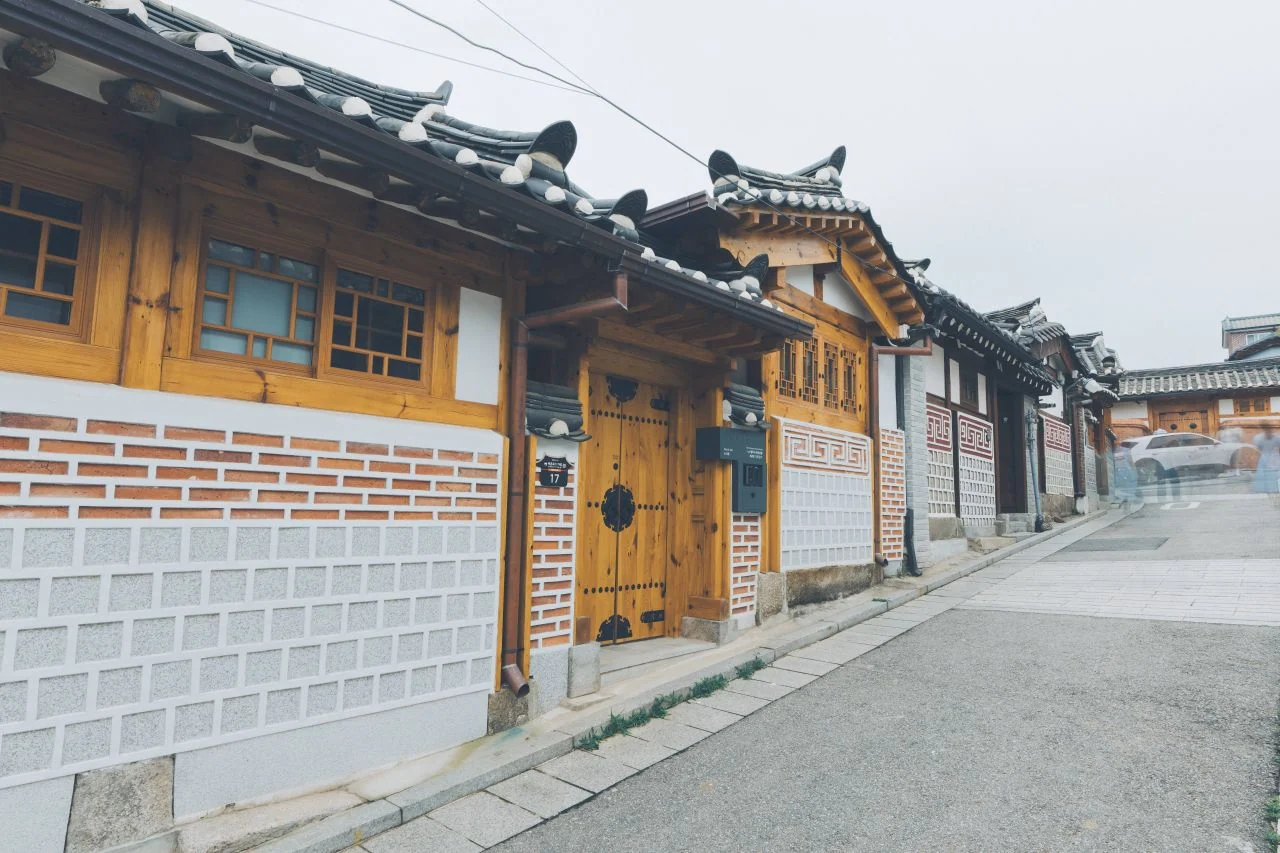
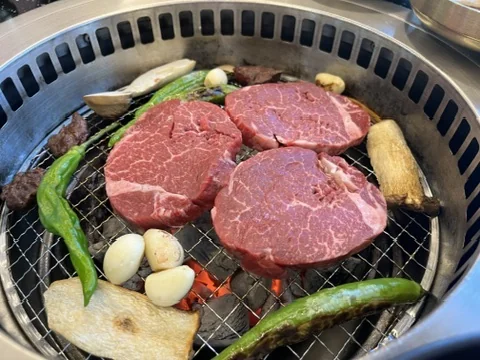
Along the scenic eastern coast of Gangwon Province, Sokcho offers a fascinating blend of coastal serenity, rich postwar history, and vibrant local gastronomy. At the entrance of Cheongchoho Lake lies Abai Village, an iconic enclave originally founded by North Korean refugees, easily accessible via the charming hand-pulled Gaetbae ferry. Paired with savory pan-fried squid sundae and sunrise panoramas from Yeonggeumjeong Pavilion, this journey is a quintessential seaside retreat.
Abai Village Between Sea and Lake
Located on a narrow sandbar in Cheongho-dong, Abai Village carries a poignant history dating back to the Korean War. When the armistice line solidified in the 1950s, refugees from Hamgyong Province found themselves unable to return home across the northern border. Expecting their stay to be temporary, they settled along this deserted beachfront. The name 'Abai' derives from the Hamgyong dialect for 'father' or 'grandfather', honoring the elder generations who forged a livelihood here against all odds.
While modern bridges now connect the village to downtown Sokcho, Abai Village was historically an isolated islet bounded by canal waters. This geographic barrier gave rise to the legendary Gaetbae ferry, a human-powered flat barge pulled across the channel using steel cables. Even today, riding the Gaetbae remains the most memorable and atmospheric way to enter the historic neighborhood.
Crossing on the Hand Pulled Gaetbae Ferry
The canal crossing spans approximately 50 meters between the downtown harbor and Abai Village. For a modest one-way fare of only 500 KRW (less than half a dollar), passengers board a non-motorized wooden pontoon raft. Suspended above the water is a sturdy steel cable, and riders are encouraged to grab a metal T-shaped hook, lean back, and actively help pull the vessel forward along the wire.
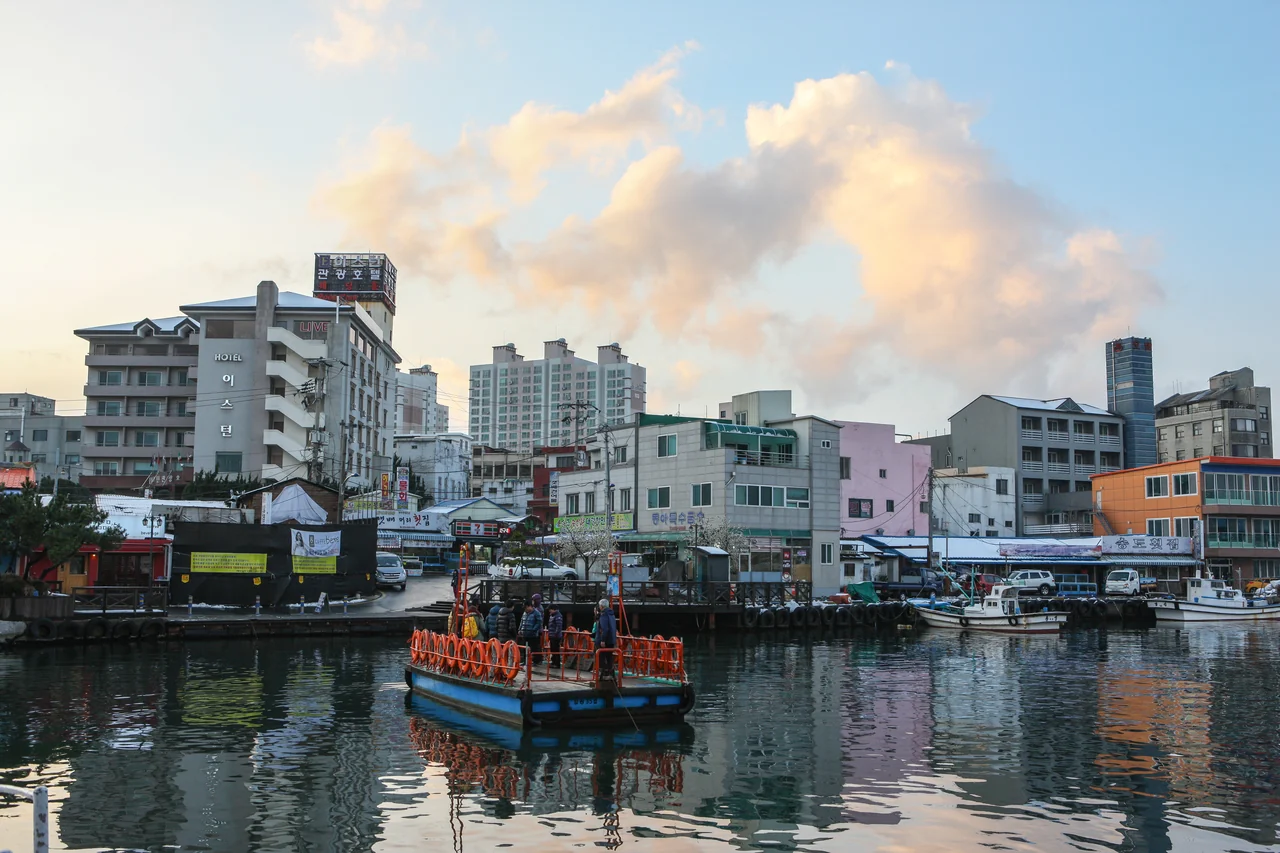
The entire crossing takes barely five minutes, but feeling the cable tension in your hands and gliding across the calm canal with cool sea breezes creates an unforgettable hands-on experience. Elderly boat operators gladly guide beginners on how to securely latch the hook and pull rhythmically alongside fellow travelers.
| Category | One-way Fare | Payment | Duration & Service |
|---|---|---|---|
| Adults (Teens & General) | 500 KRW | Cash or Bank Transfer | Approx. 3 to 5 minutes (Continuous) |
| Children (Elementary) | 300 KRW | Cash or Bank Transfer | Discounted child fare |
| Bicycle / Cart | 500 KRW | Cash or Bank Transfer | Allowed on board |
Flavors of Squid Sundae and Traditional Delicacies
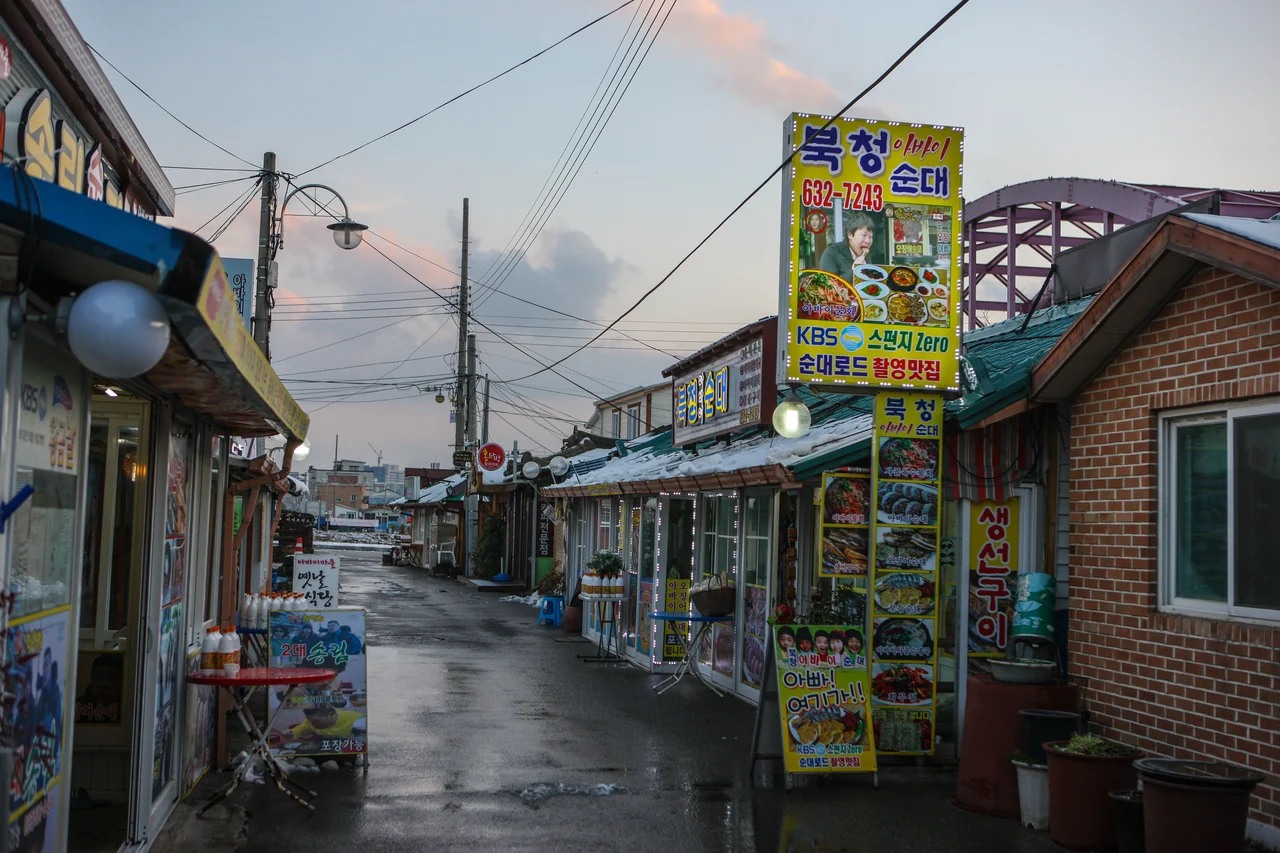
Upon stepping off the Gaetbae, irresistible savory aromas waft through the cozy network of village lanes. Due to wartime pork shortages, resourceful settlers stuffed fresh East Sea squid tubes with glass noodles, glutinous rice, and minced vegetables, giving birth to Ojingeo Sundae (stuffed squid sausage). Sliced into thick medallions, dipped in whisked egg, and griddled to golden perfection on hot planchas, each bite delivers a wonderful harmony of tender squid and comforting stuffing.
For a traditional taste, order the authentic Abai Sundae made with pork casing packed with rice and vegetables, perfectly paired with spicy-sweet fermented pollock salad (Myeongtae-hoe). The zesty pickled fish cuts through any richness, creating a deeply satisfying culinary tradition preserved across generations.
| Signature Dish | Average Price | Culinary Profile |
|---|---|---|
| Ojingeo Sundae (Squid Sausage) | 15,000 - 20,000 KRW | Fresh squid stuffed with noodles and rice, pan-fried with egg coating |
| Abai Sundae (Platter) | 20,000 - 25,000 KRW | Traditional northern blood sausage filled with glutinous rice and herbs |
| Pollock Cold Noodles (Naengmyeon) | 10,000 - 12,000 KRW | Chilled spicy buckwheat noodles topped with seasoned pollock sashimi |
Alley Murals and Heritage of Northern Refugees
Beyond the eateries, stroll along peaceful residential alleys adorned with evocative street murals. Colorful paintings depict the daily lives of northern settlers, children playing by the seaside, and vintage Gaetbae crossings, reflecting deep nostalgia and communal resilience.
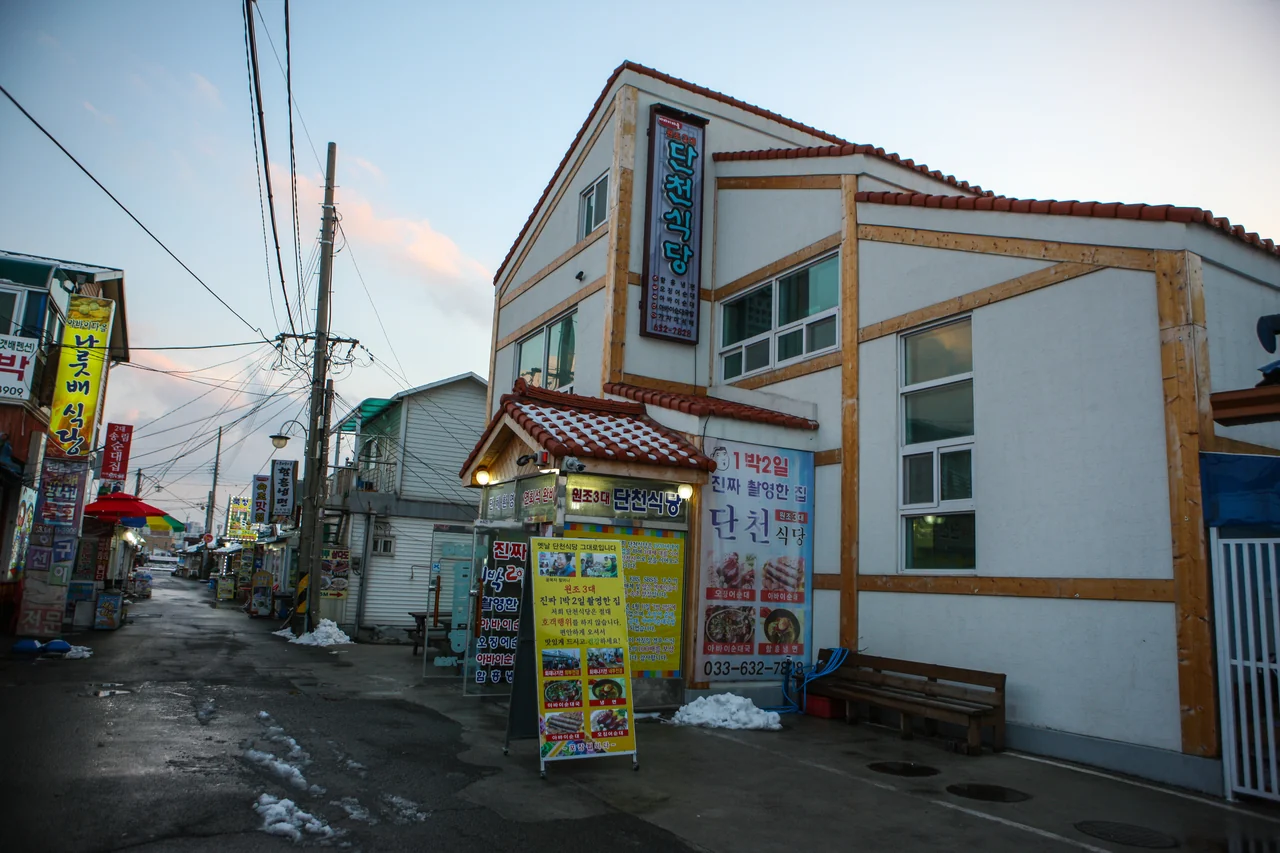
The alley eventually opens up to the Cheongho seawall and sandy beach, where a striking red lighthouse watches over fishing boats returning to harbor. After soaking in the ocean vista, take a quick 10-minute taxi ride north toward Dongmyeong Port to reach the famous coastal rocks of Yeonggeumjeong.
Yeonggeumjeong Where Waves Echo Like a Zither
Yeonggeumjeong Pavilion perches dramatically over rugged rocky reefs where ocean breakers crash with musical resonance. The name derives from ancient folklore comparing the roaring sea acoustics inside rock hollows to the celestial plucking of a Korean geomungo (zither).
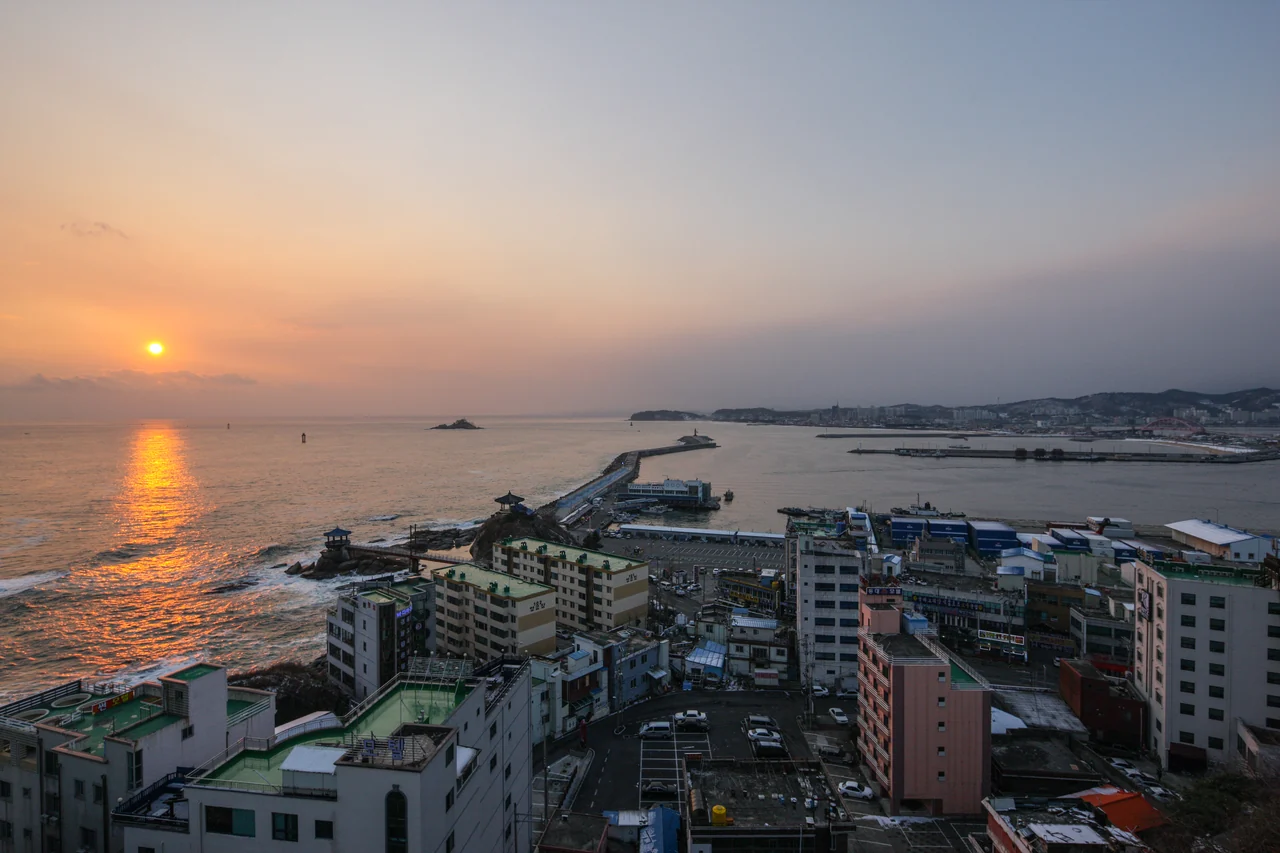
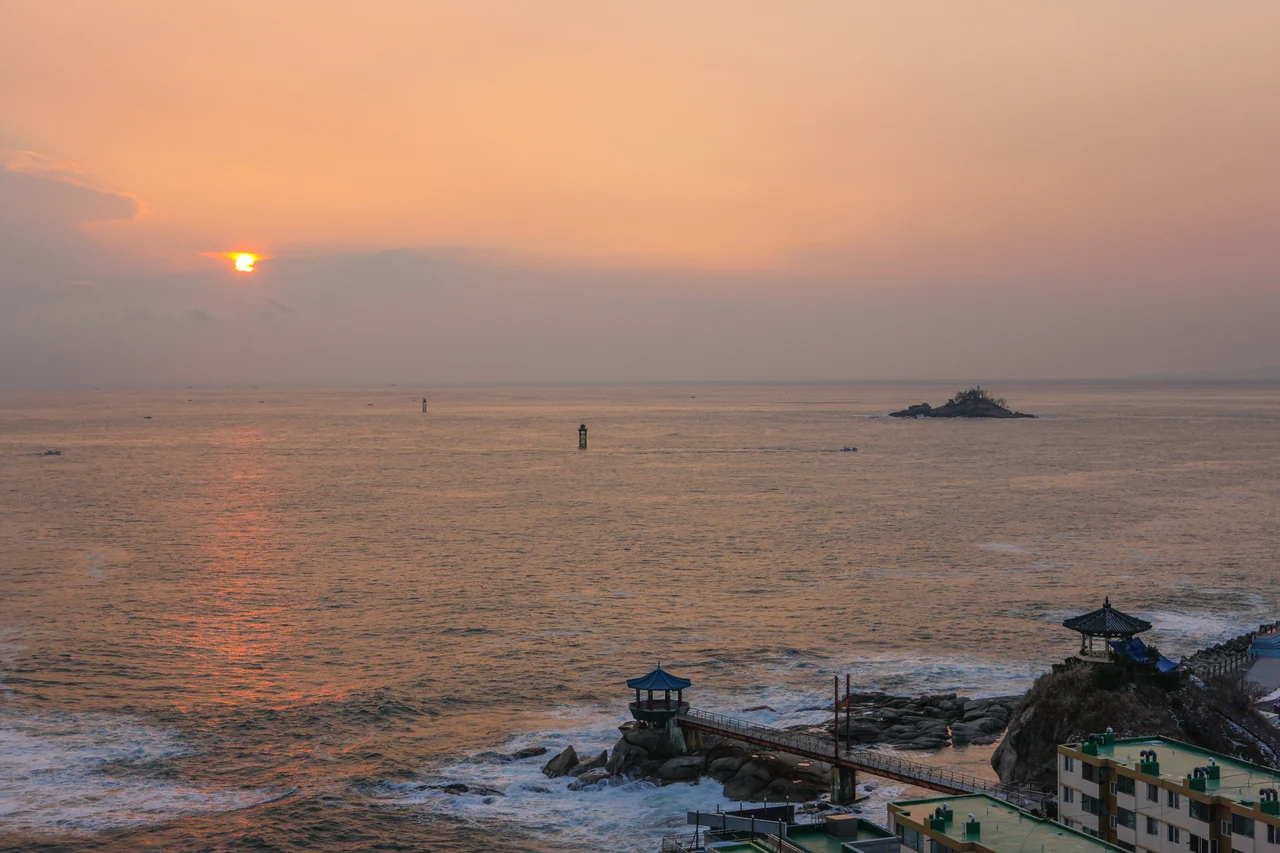
Two gazebos comprise the landmark: one atop the coastal bluff offering expansive sea vistas, and a sea pavilion accessed via a scenic pedestrian footbridge stretching across the rocks. Watching the morning sun ascend over the boundless East Sea horizon from here ranks among the finest sunrise vistas in Korea.
Visitor Tips and Navigation Advice
Abai Village and Yeonggeumjeong complement each other seamlessly for a relaxed half-day coastal outing. If arriving by car, park near the Jungang Market public parking lot to enjoy the Gaetbae crossing on foot. Alternatively, free parking is available directly at Cheongho Beach on the village side.
- Abai Village Address: 12, Abaimaeul-gil, Sokcho-si, Gangwon-do
- Yeonggeumjeong Address: 43, Yeonggeumjeong-ro, Sokcho-si, Gangwon-do
- Gaetbae Operating Hours: Daily 05:00 - 23:00 (May adjust during severe weather)
- Yeonggeumjeong Admission: Free (Open 24/7 with nighttime illuminations)
- Parking: Sokcho Central Market Parking Lot or Dongmyeong Port Public Lot (1,000 KRW for first 30 mins)