Tucked gently between Gyeongbokgung and Changdeokgung palaces, Bukchon's undulating ridgelines welcome travelers into an immediate hush where time seems to slow down. After exploring majestic royal palaces, wandering into these winding residential lanes lined with interlocking wooden eaves offers an intimate encounter with Seoul's living soul.
Six Centuries of Noble Heritage Above Cheonggyecheon
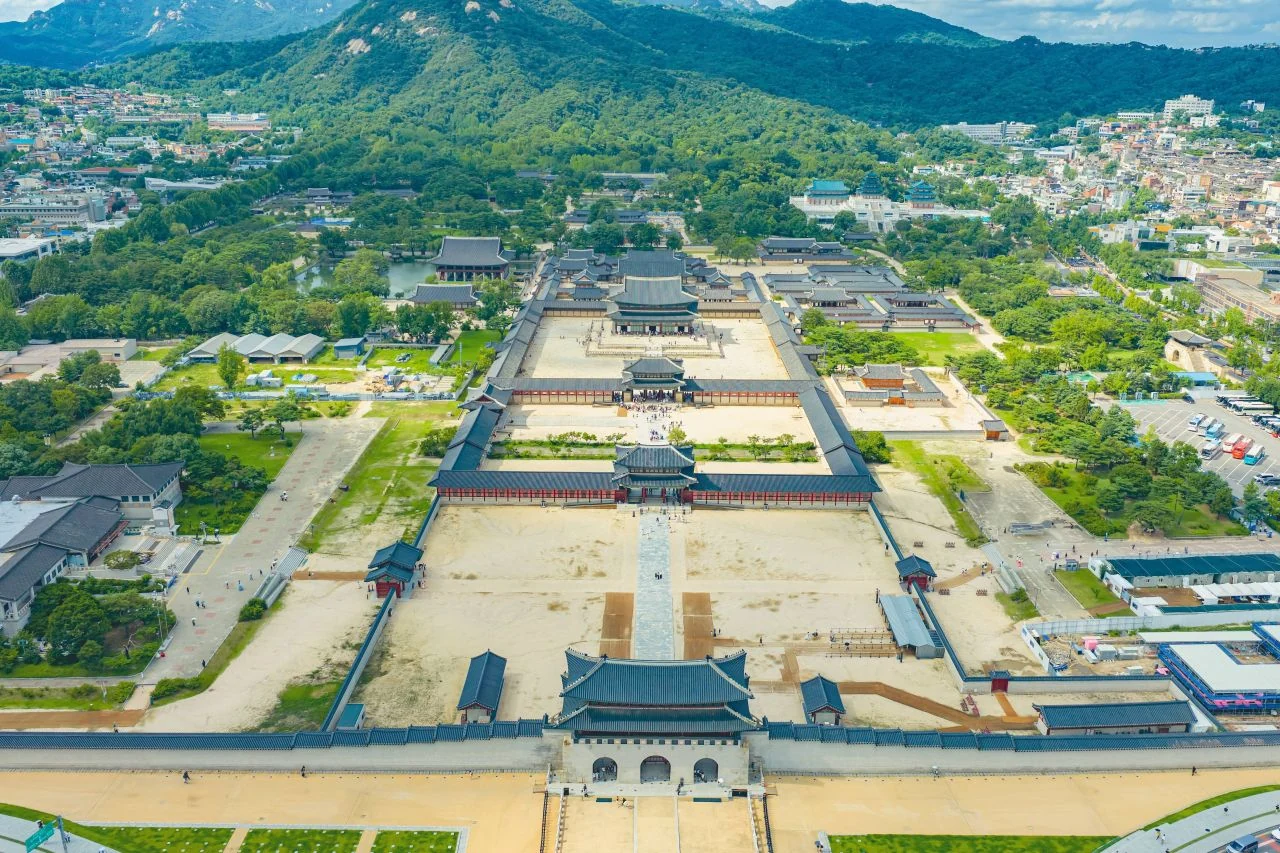
Named 'Northern Village' for its location north of Cheonggyecheon Stream and Jongno, Bukchon served historically as the exclusive neighborhood for high-ranking Joseon officials and noble scholars. While nearby Gyeongbokgung Palace Geunjeongjeon commands majestic sovereign authority, Bukchon breathes with the intimate warmth of actual homes where traditional architecture has evolved across generations.
Captivating Skyline Contrast Along Gahoe-dong Lane 31
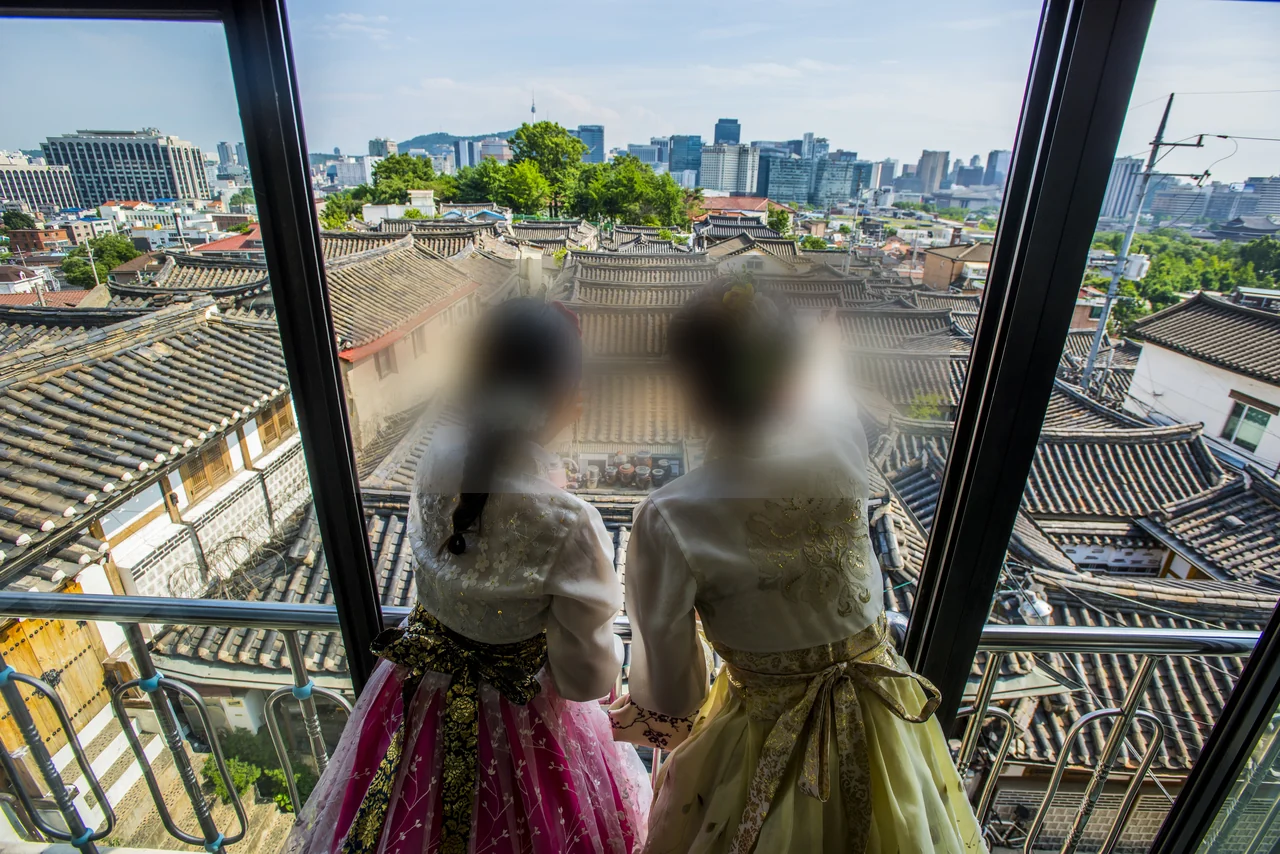
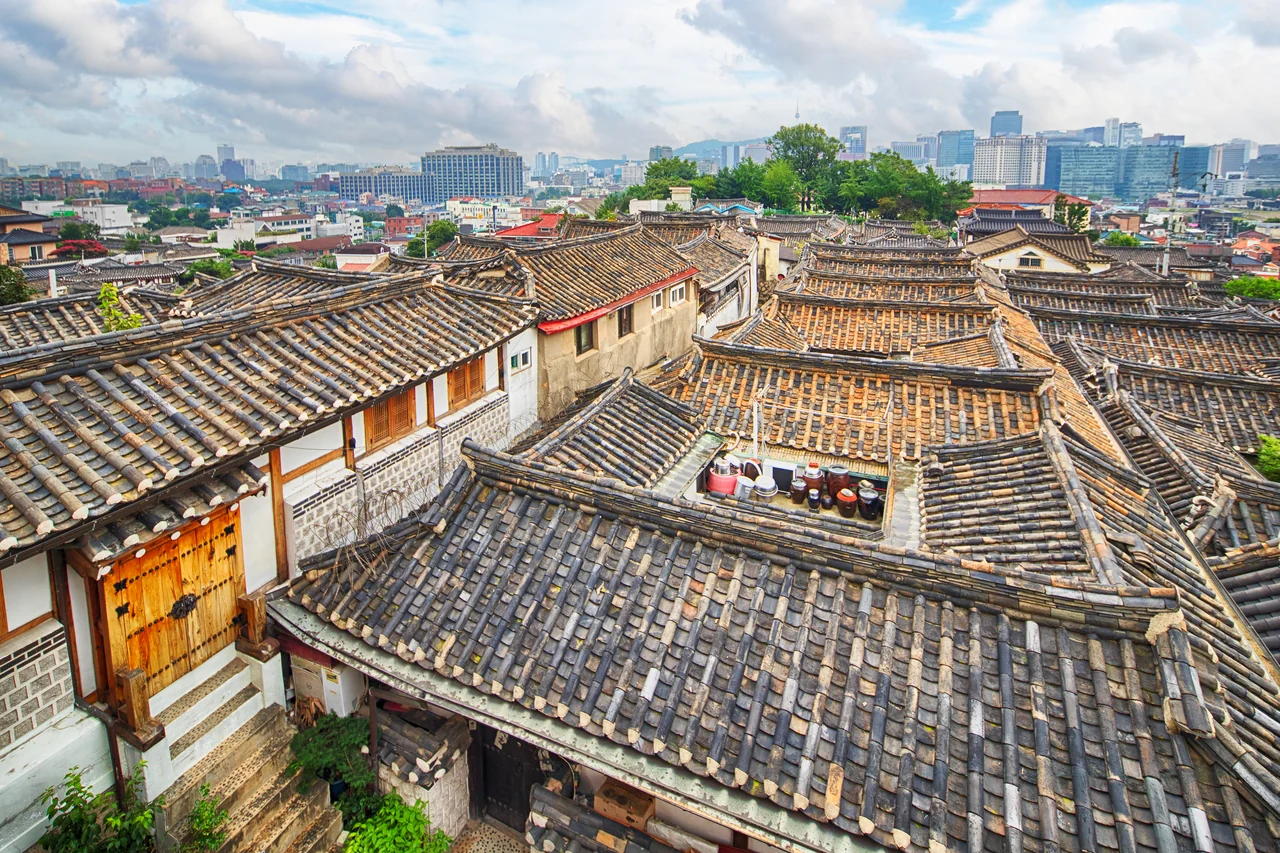
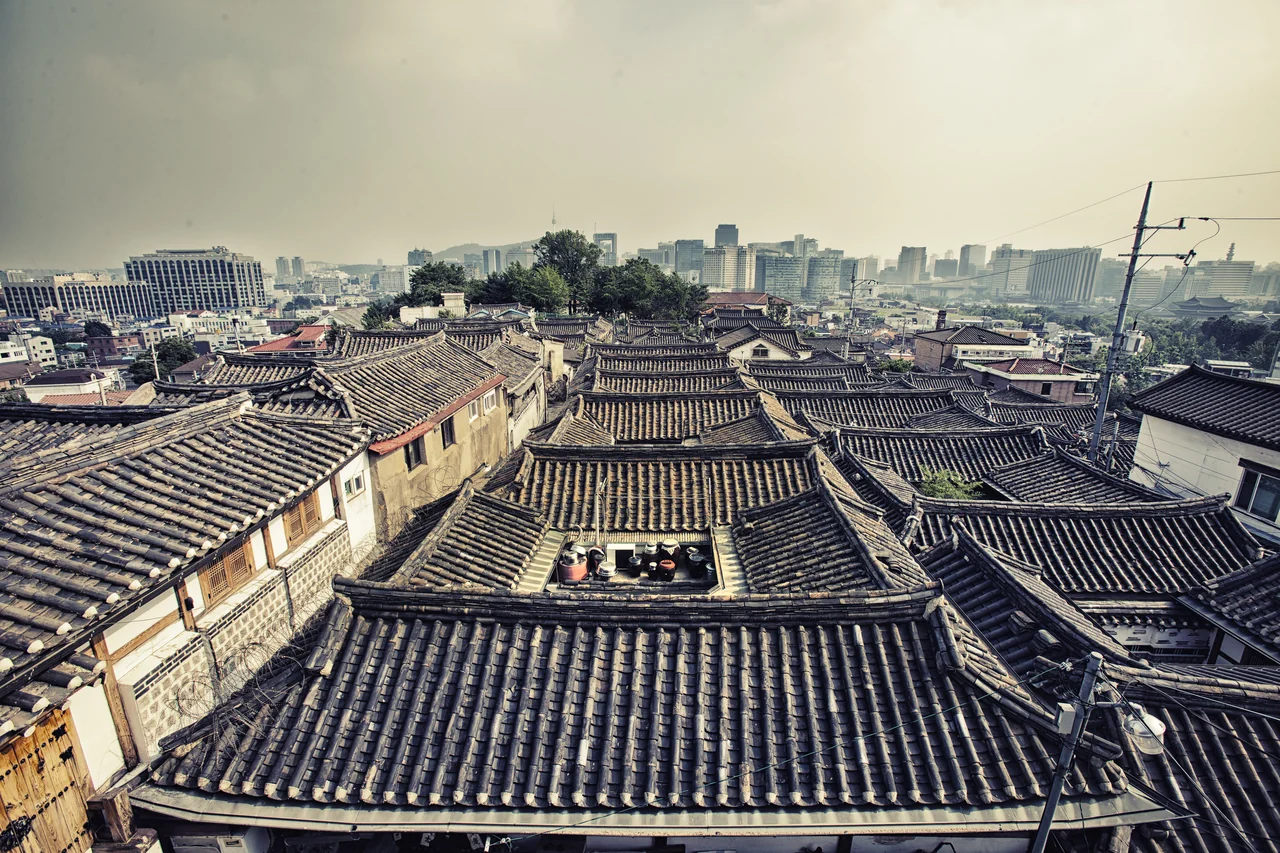
The most celebrated vantage point lies along Gahoe-dong Lane 31, renowned as Bukchon's Fifth and Sixth Views. Looking up the gentle incline, rows of graceful hanok gates frame a pristine ribbon of sky. Turning around at the crest reveals an unforgettable vista: sweeping dark tile roofs flowing seamlessly toward the modern skyscrapers of downtown Seoul and the distant N Seoul Tower on Mount Namsan.
Intricate Wooden Portals and Brickwork Artistry
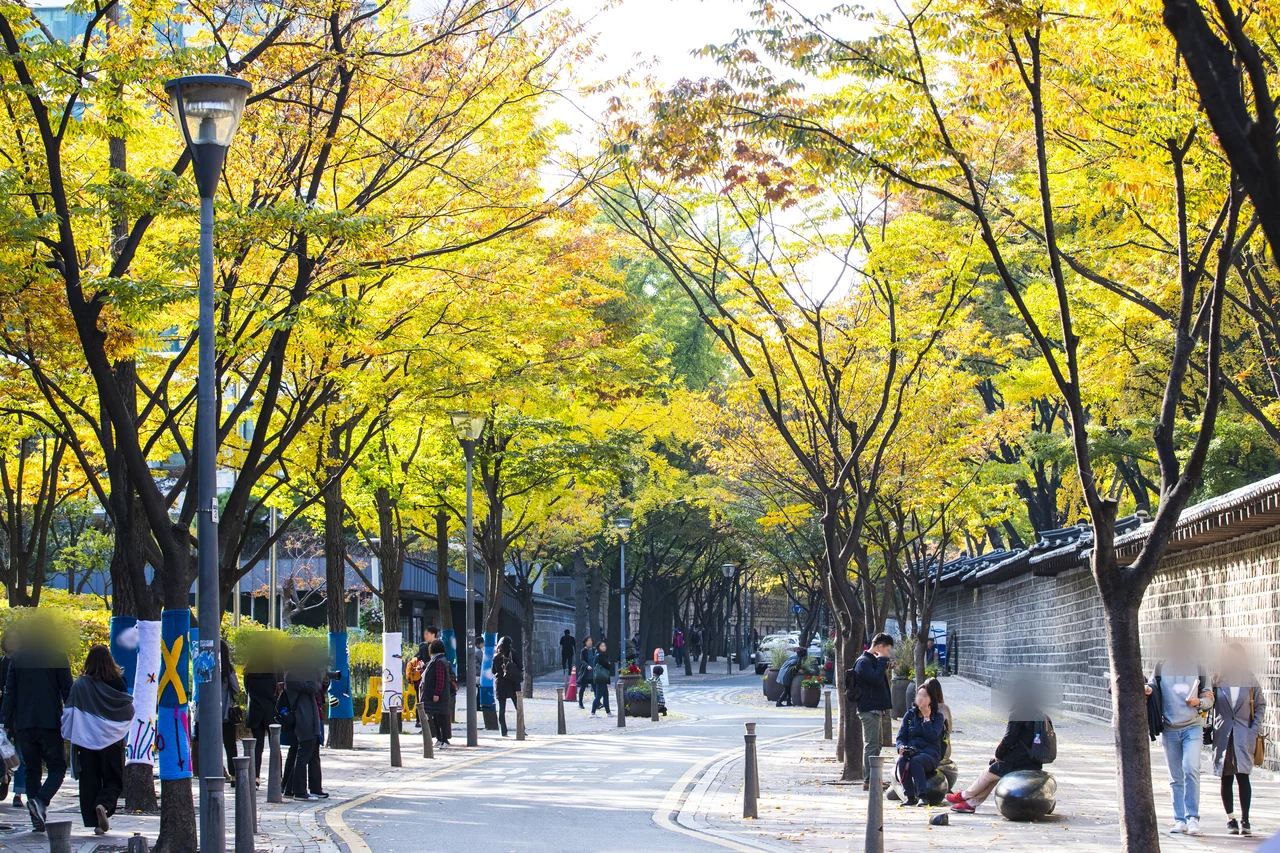
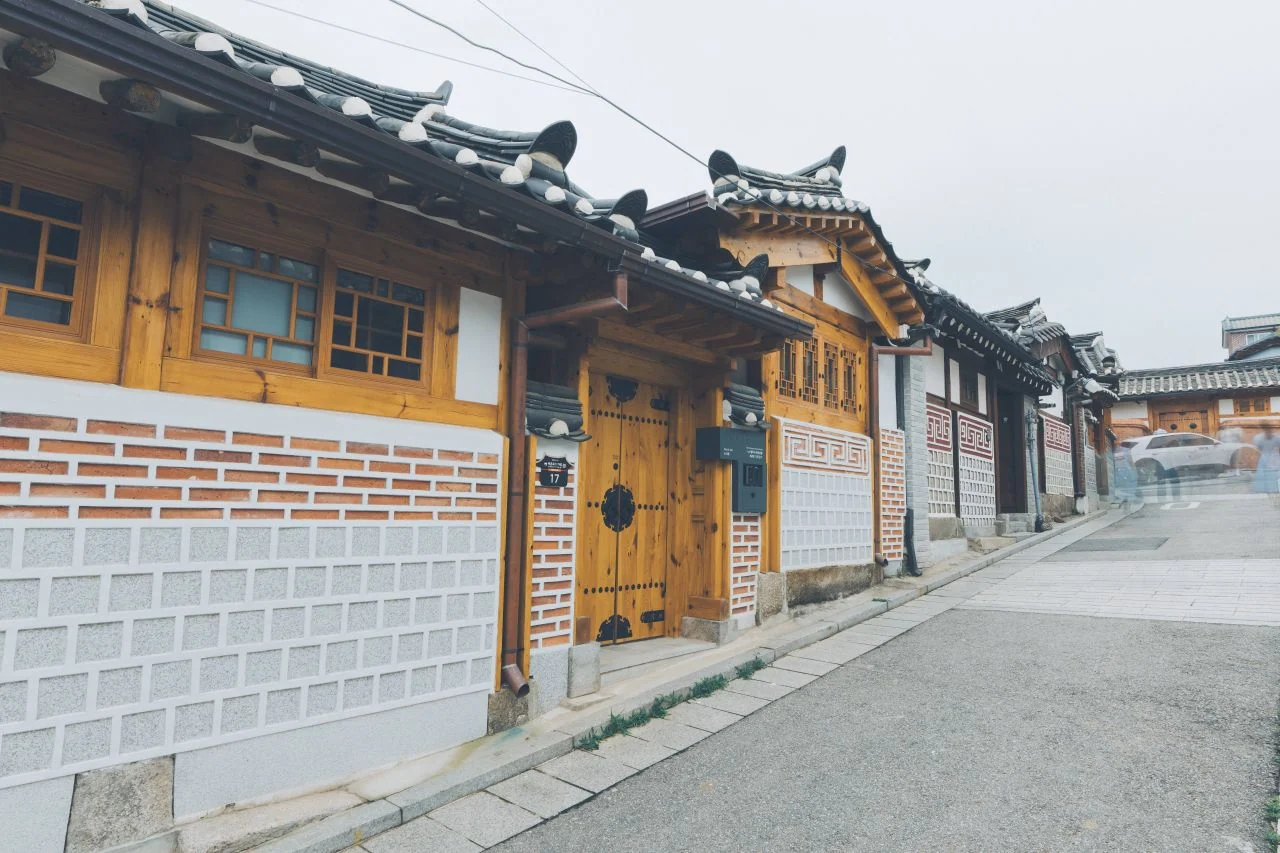
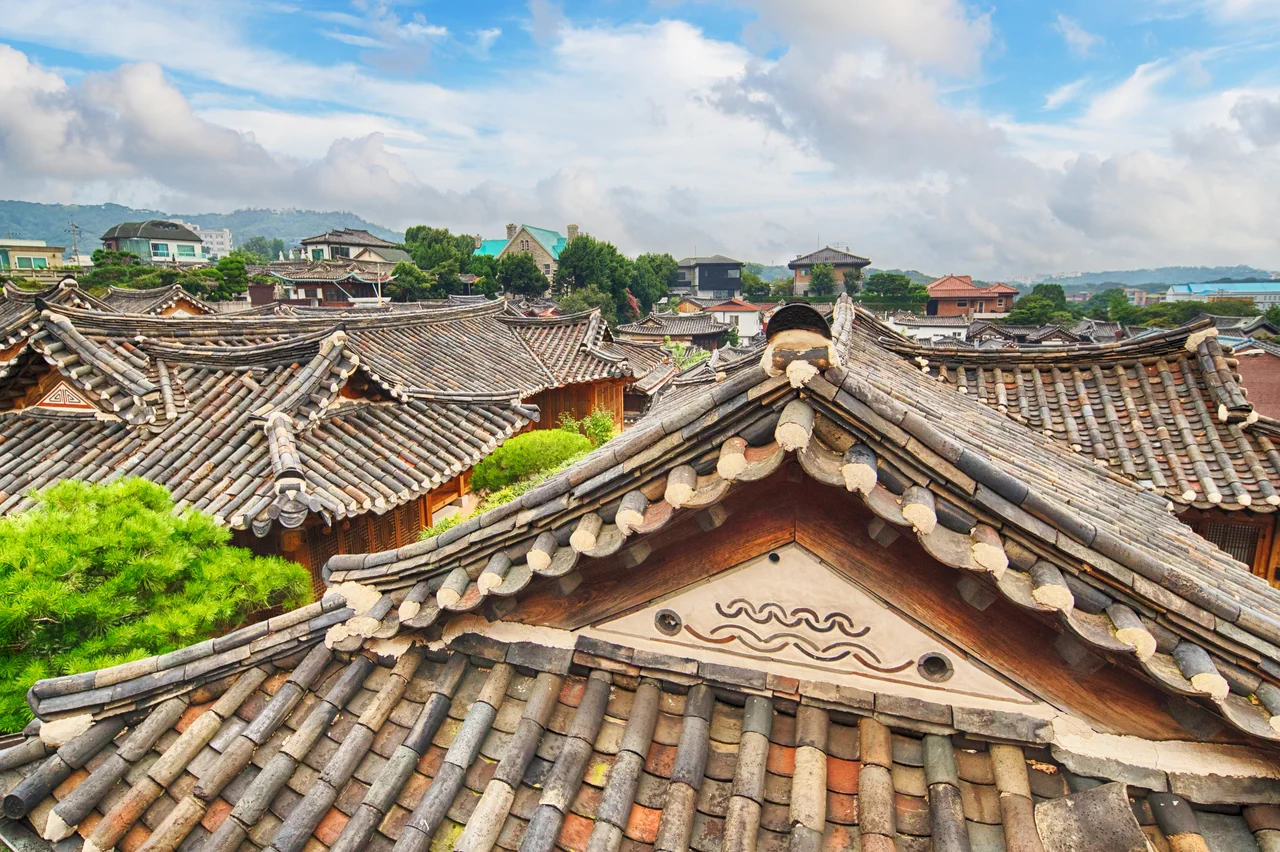
Slowing your pace reveals delicate architectural treasures throughout the village. Clay-and-brick decorative walls, solid wooden gates with cast-iron ring handles, and decorative ridge tiles showcase centuries-old craftsmanship. Unlike the Western-influenced stone romance of the Deoksugung Stonewall Walkway, Bukchon wraps visitors in the rustic harmony of earth, timber, and gray granite.
Endless Waves of Charcoal Tile Roofs from the Ridge
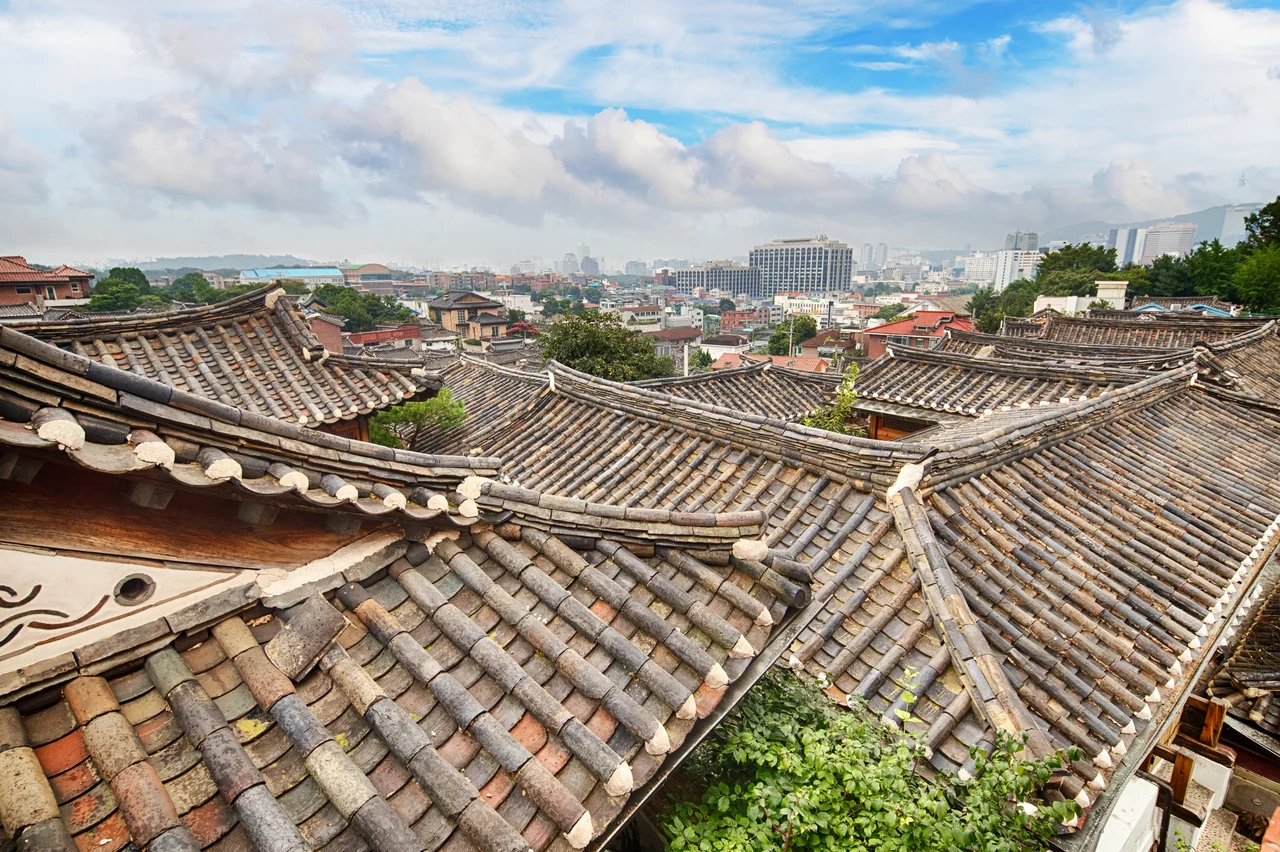
Standing at the top ridge of Gahoe-dong presents an undulating sea of dark ceramic roofs that shift in tone as sunlight dances across their curves. After savoring this tranquil daytime walk, watching Seoul light up from the heights of the Namsan Seoul Tower Observatory offers the perfect twilight finale to your historic Seoul itinerary.
Respectful Travel Manners in a Living Residential Community
Bukchon is an active residential neighborhood where families live, work, and sleep. To protect resident privacy, local authorities enforce dedicated quiet visiting hours within designated residential management zones. Maintaining soft speaking voices, refraining from peering into private gates, and visiting strictly during designated hours preserve this irreplaceable community.
| Category | Visiting Hours | Admission | Notes |
|---|---|---|---|
| Outdoor Alleys (Views 1-8) | 10:00 - 17:00 (Restricted Zone Enforcement) | Free | Active residential area; quiet walking required |
| Bukchon Traditional Culture Center | 09:00 - 18:00 (Weekends until 17:00) | Free | Visitor maps and traditional courtyard rest area |
| Craft Studios & Private Museums | 10:00 - 18:00 (Varies; mostly closed Mondays) | 1,000 - 5,000 KRW | Traditional knotting and painting workshops available |
Visitor Information and Practical Access Guide
The easiest access route begins at Anguk Station on Seoul Subway Line 3. Exit 2 or 3 leads directly northward along Bukchon-ro toward the Bukchon Traditional Culture Center, where picking up a printed neighborhood walking map will guide your exploration.
- - Address: 37 Gyedong-gil, Jongno-gu, Seoul (Bukchon Culture Center)
- - Recommended Hours: 10:00 - 17:00 (Mandatory quiet hours enforced)
- - Transit: Subway Line 3, Anguk Station, Exit 2 or 3 (approx. 5 min walk)
- - Parking: No visitor parking allowed in village alleys. Use Jeongdok Public Library Parking nearby
- - Tips: Comfortable walking shoes are essential for sloping stone paths; carry all personal trash out