Framed by rugged granite peaks and bisected by the broad Han River, Seoul presents a mesmerizing blend of past and future found nowhere else on earth. Outside the ancient stone walls of 600-year-old Joseon royal palaces, silver glass skyscrapers rise toward the clouds, while quiet residential alleys lined with traditional tile-roofed hanoks sit just moments away from bustling, neon-lit night markets.
Navigating the sheer scale of the South Korean capital requires an intuitive, well-sequenced route. This comprehensive 4-day guide brings together key highlights explored firsthand: passing through grand royal gates beneath mountain peaks, discovering traditional eaves framing modern skylines, indulging in Michelin-recognized market delicacies, and ending each day with sweeping panoramic night views from mountain lookouts and breezy riverfront parks.
Sovereign Grandeur at Gyeongbokgung Palace Framed by Granite Peaks
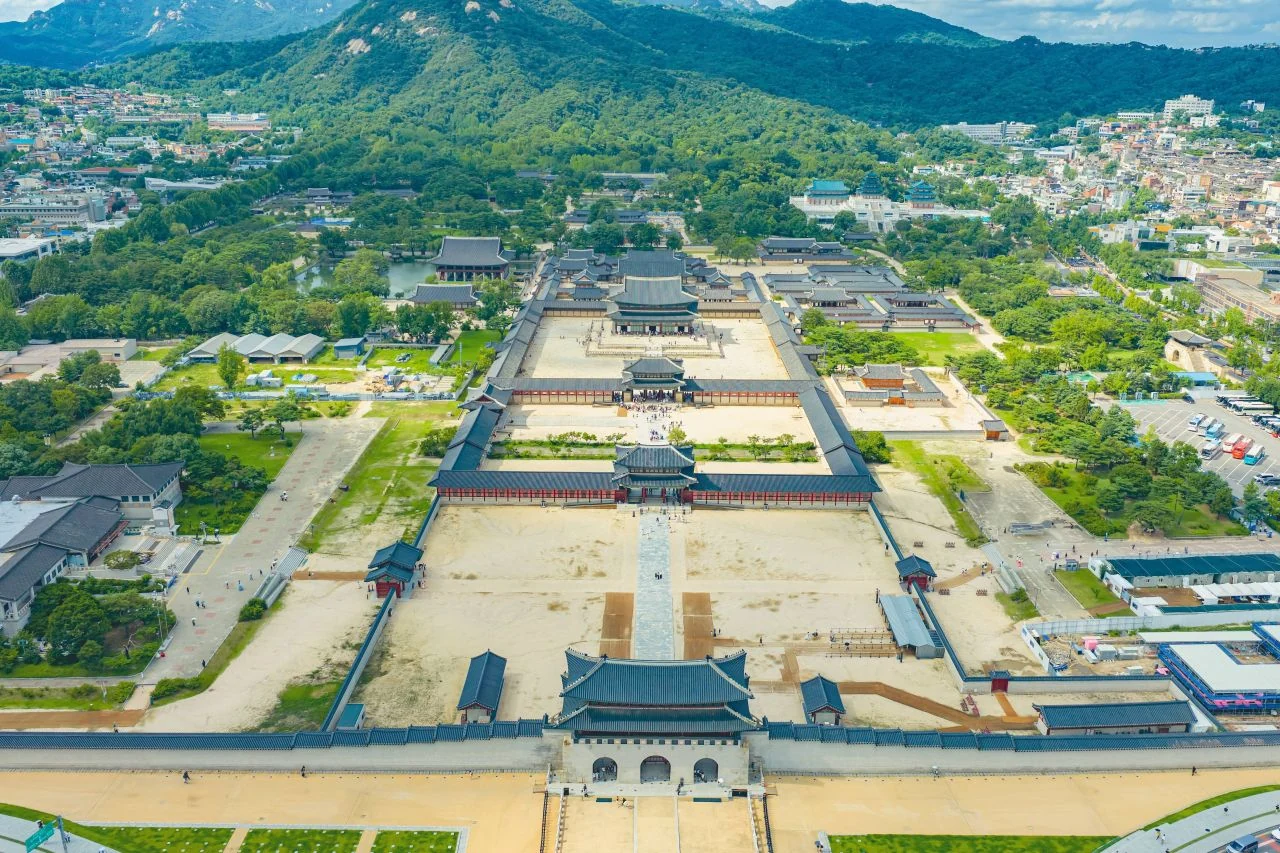
The ideal Seoul journey begins at Gyeongbokgung, the primary palace of the Joseon Dynasty. Passing through the monumental Gwanghwamun Gate and across the newly restored stone woldae terrace, visitors enter the great outer court. Looking north, the magnificent two-story Geunjeongjeon throne hall stands in perfect alignment with the dramatic rocky crags of Mount Bugaksan rising directly behind it.
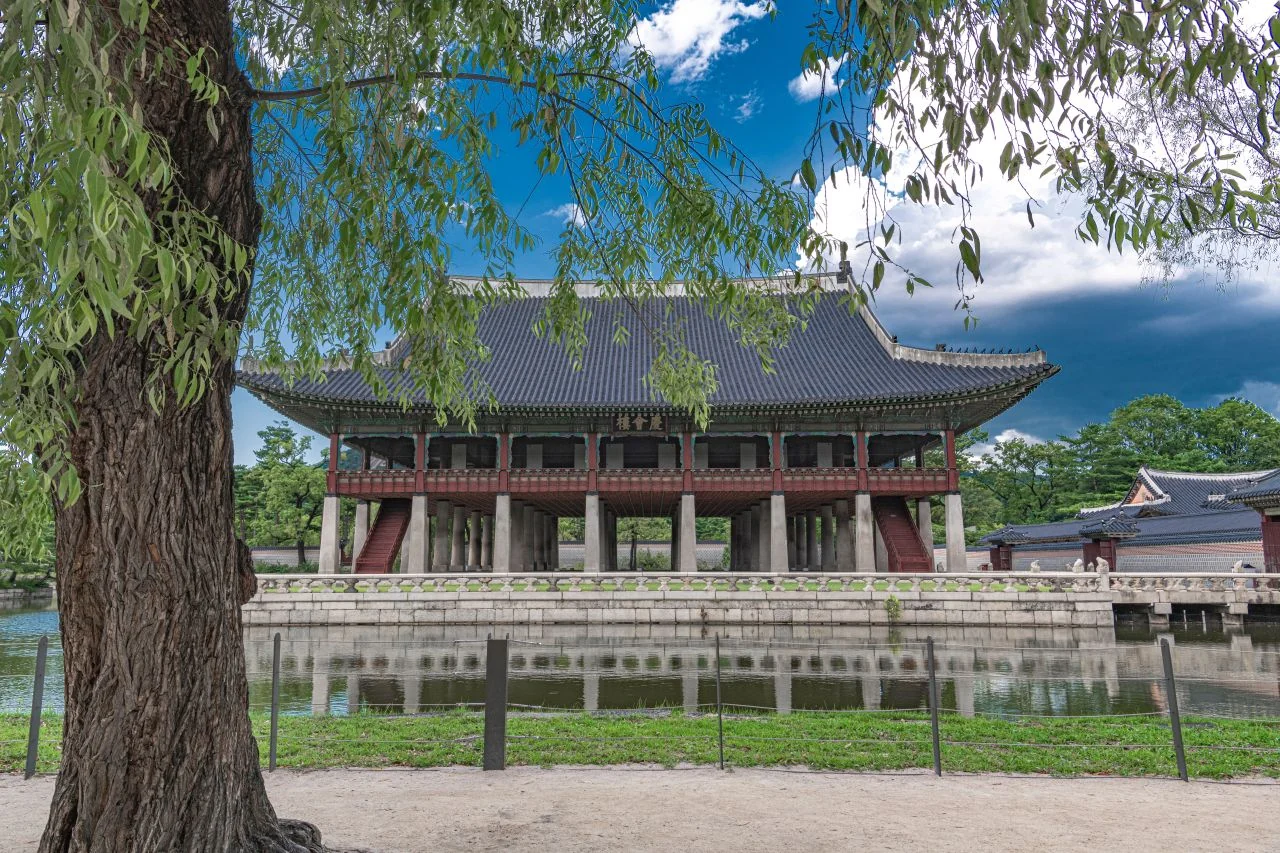
Walking across the rough-hewn granite courtyard stones flanked by historic rank markers leads toward the royal throne room, where the elaborate Sun, Moon, and Five Peaks painting radiates royal authority. Further west, the vast artificial lotus pond surrounding Gyeonghoeru Pavilion reflects ancient weeping willows and wooden eaves in the still water, offering a serene escape from modern traffic. For guard changing ceremonies and architectural insights, read the Gyeongbokgung Palace Geunjeongjeon Guide.
Curved Tile Eaves and Skyline Contrasts in Bukchon Hanok Village
Exiting through the palace grounds toward Samcheong-dong, gentle uphill lanes guide travelers into Bukchon Hanok Village. Home to Joseon aristocrats for centuries, this hillside enclave preserves hundreds of traditional wooden residences adorned with intricate brickwork, carved wooden gates, and graceful dark tile roofs.
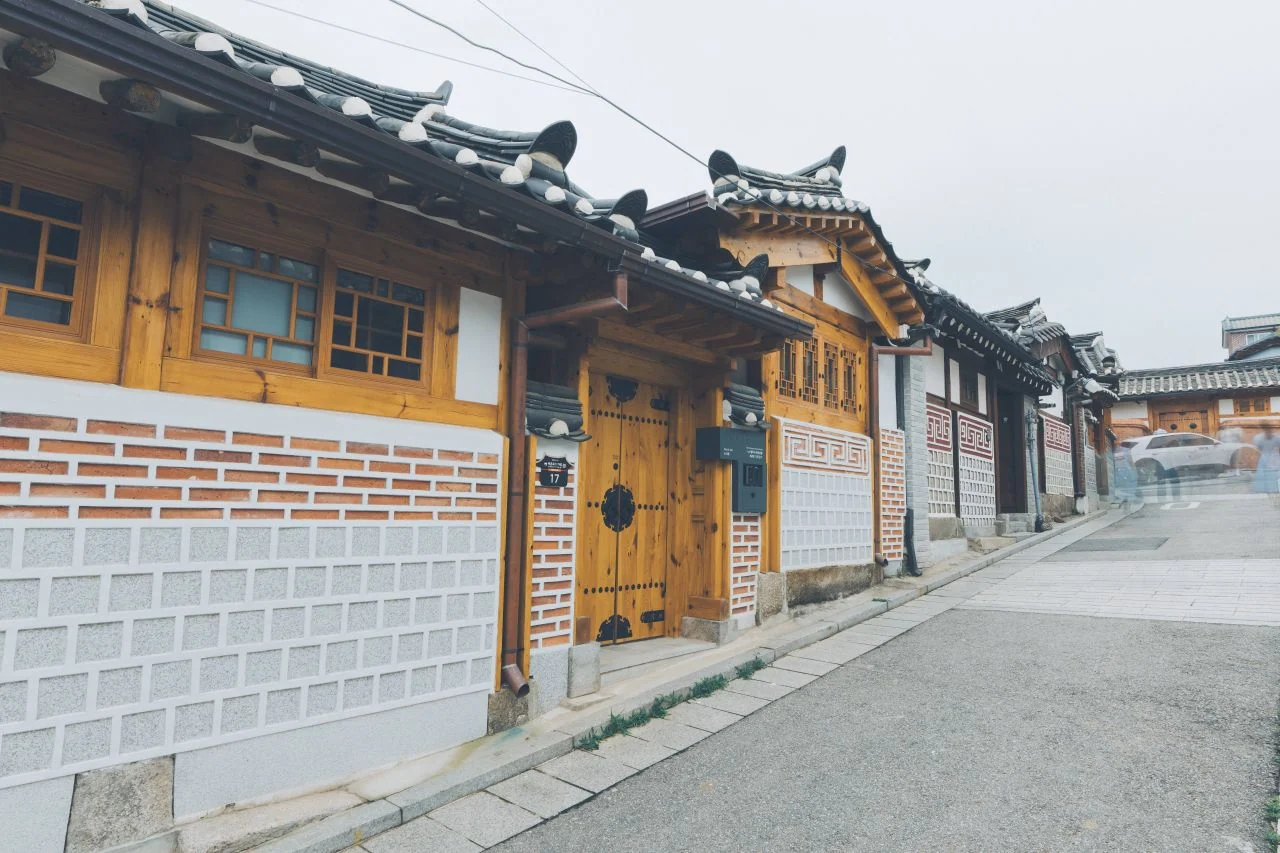
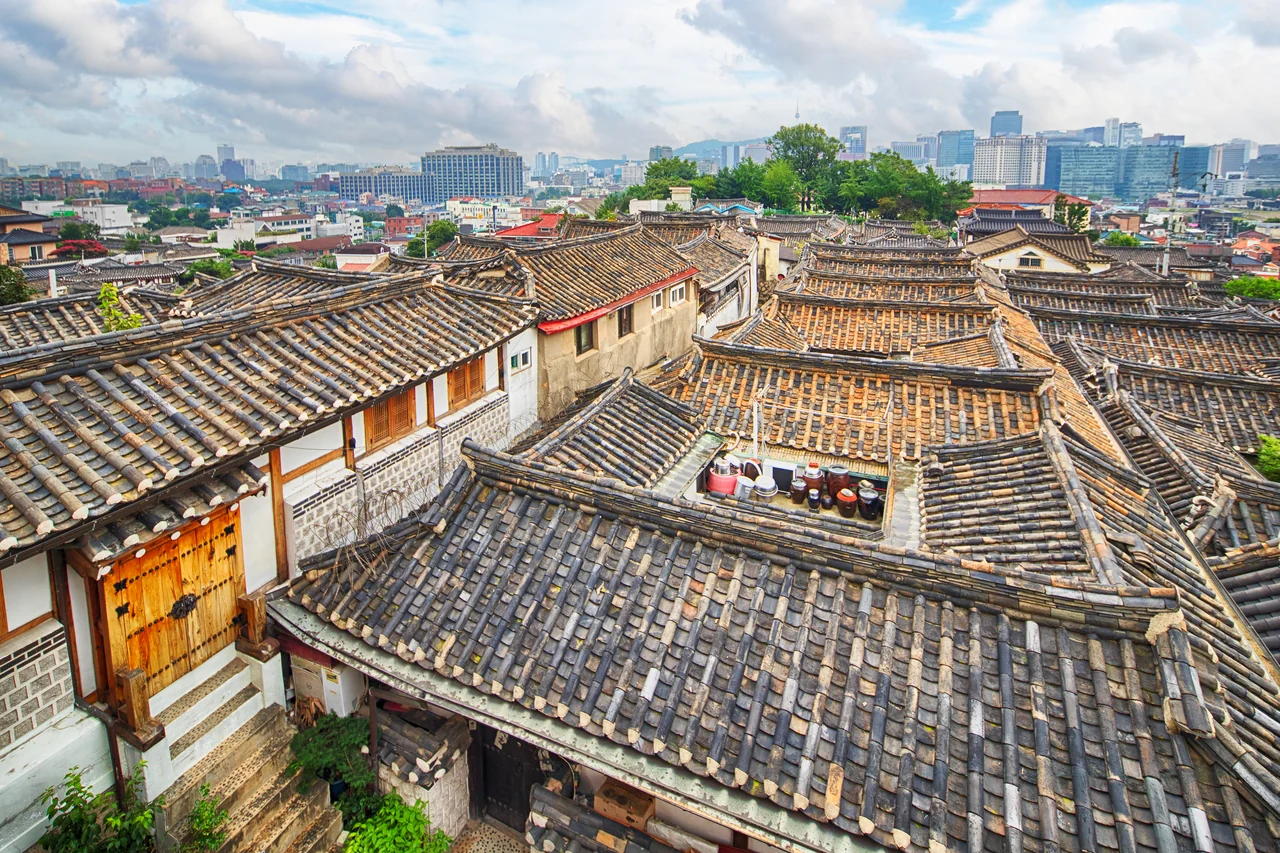
Reaching the crest of Gahoe-dong 31 alleyway presents an unforgettable sight: turning around frames waves of undulating black tile eaves in the foreground, with the glass skyline of Downtown Seoul and N Seoul Tower rising in the distance. Strolling quietly past wooden courtyards and sunlit paper windows provides a soothing connection to historic Seoul. For viewpoint maps and walking etiquette, check the Bukchon Hanok Village Walking Guide.
Century-Old Market Aromas and Michelin-Starred Beef Tartare in Gwangjang
When exploration stirs the appetite, heading south to Gwangjang Market in Jongno delivers pure sensory joy. Passing under the arcade entrance, the sizzling sounds of golden mung bean pancakes frying on massive cast-iron griddles and the lively banter of market vendors instantly invigorate tired travelers.
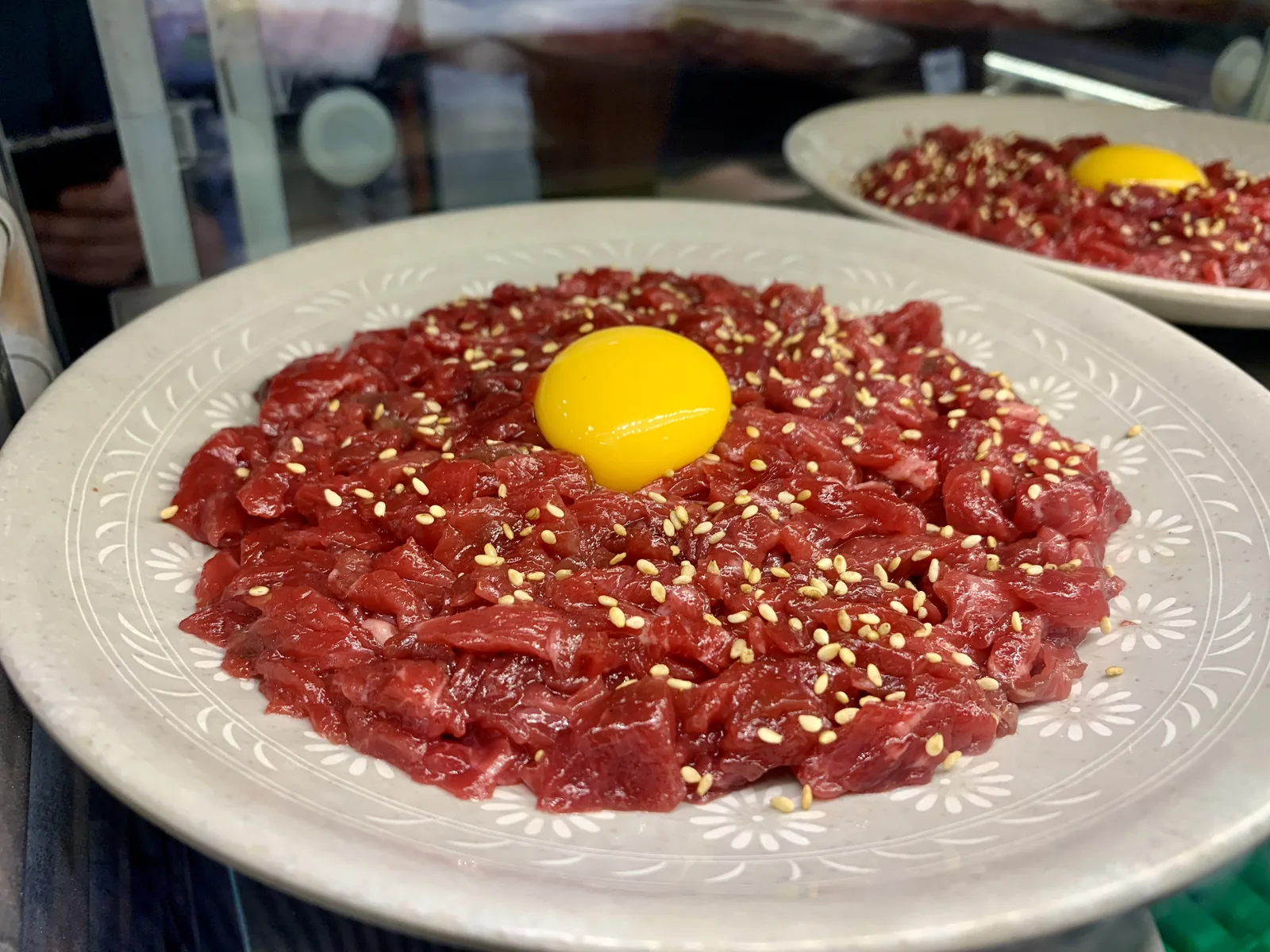
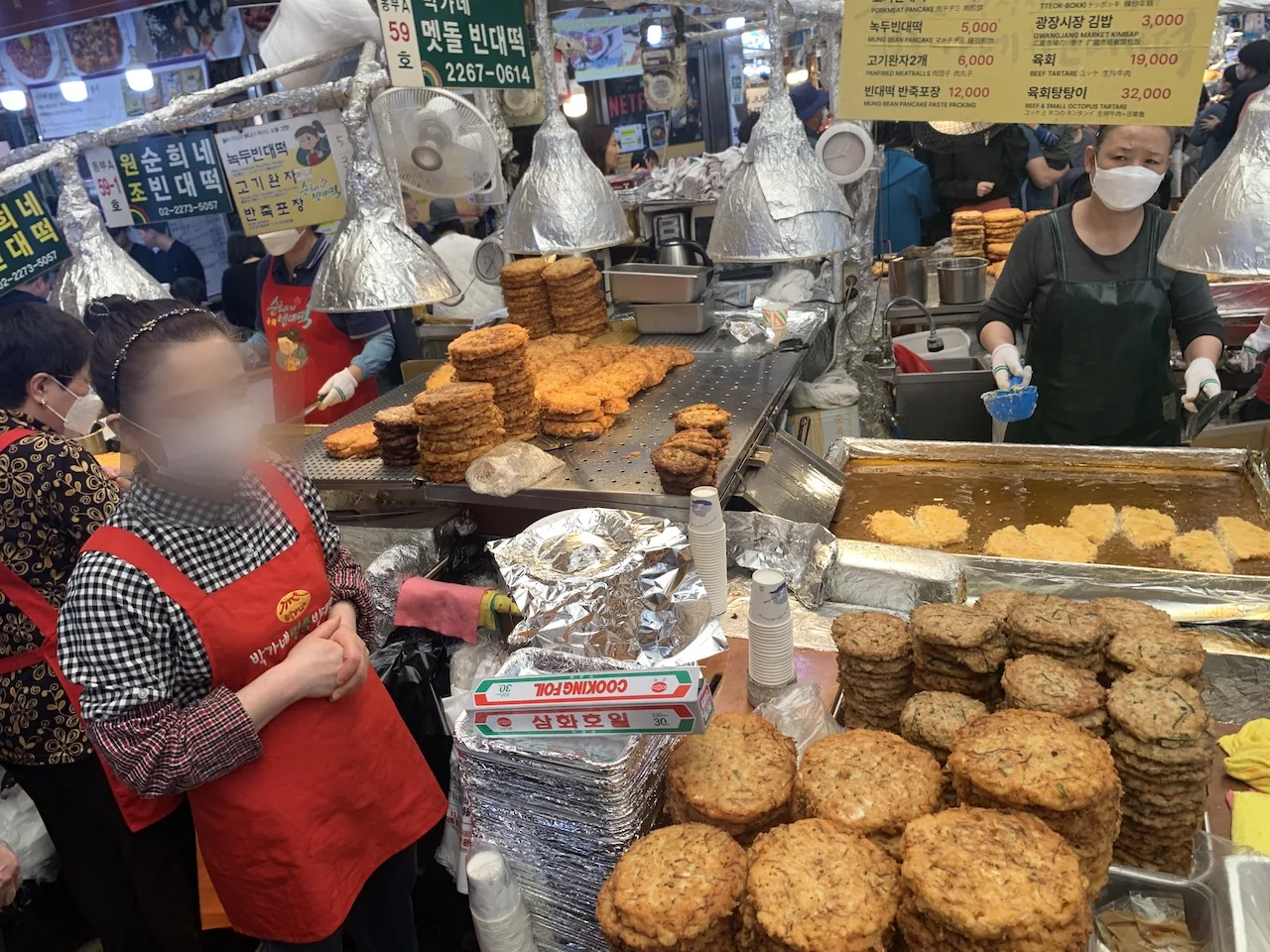
Tucked into a side alley stands Buchon Yukhoe, celebrated annually in the Michelin Guide Bib Gourmand. Breaking the raw egg yolk over seasoned lean beef strips and crunchy pear produces a silky, melt-in-the-mouth texture that defines Korean culinary excellence. Pairing this with crispy bindaetteok pancakes and mini seaweed rolls completes an iconic feast. Explore detailed stall insights in the Gwangjang Market Buchon Yukhoe Review and the Gwangjang Market Street Food Guide.
A Sea of Shimmering City Lights from N Seoul Tower and Han River Breezes
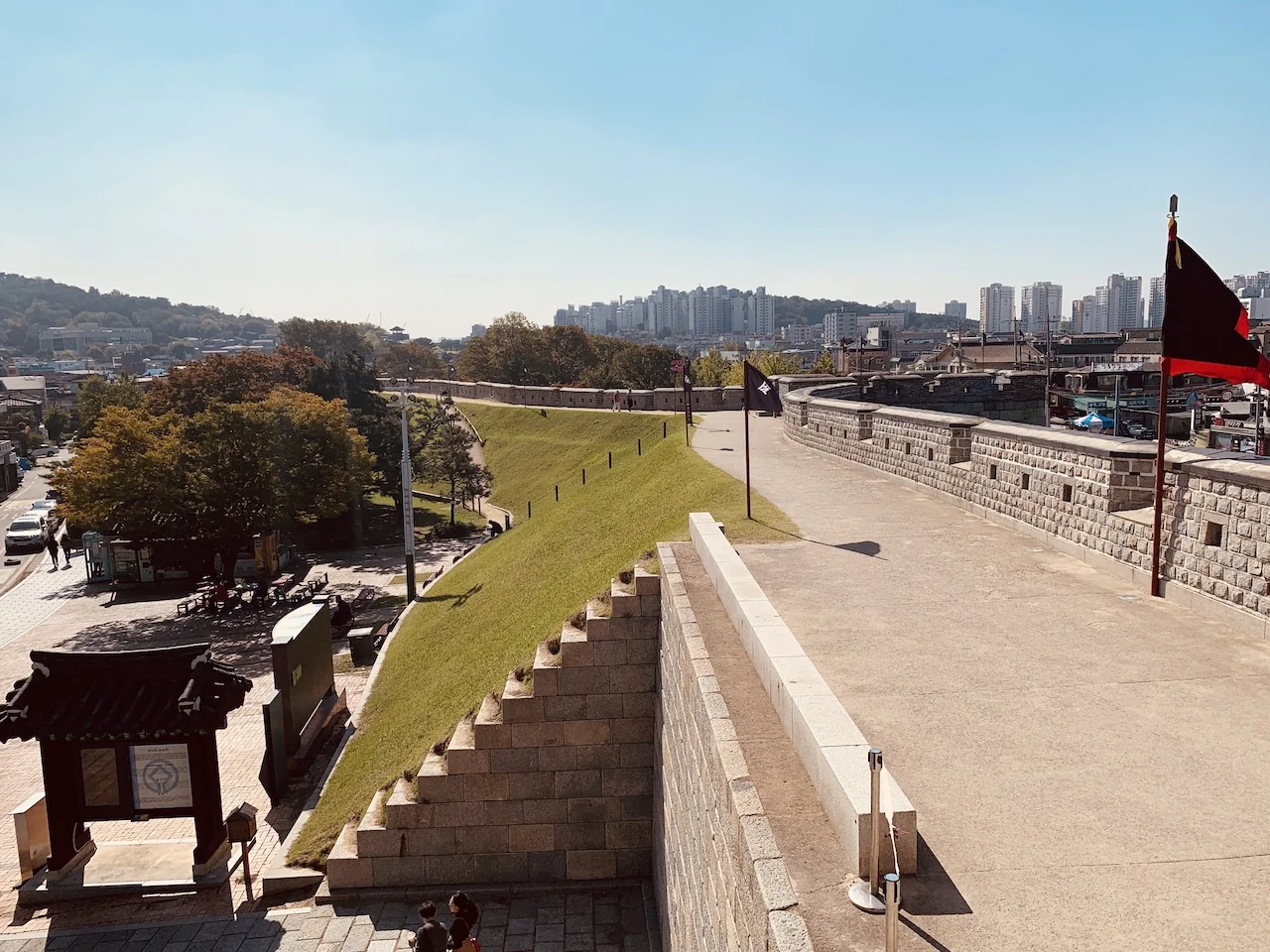
As twilight turns to dusk, Seoul transforms into a breathtaking sea of shimmering urban lights. Ascending Mount Namsan via the scenic circular bus to the 480-meter-high observatory deck of N Seoul Tower reveals the entire capital glowing below, with ancient fortress battlements tracing golden threads across the ridges.
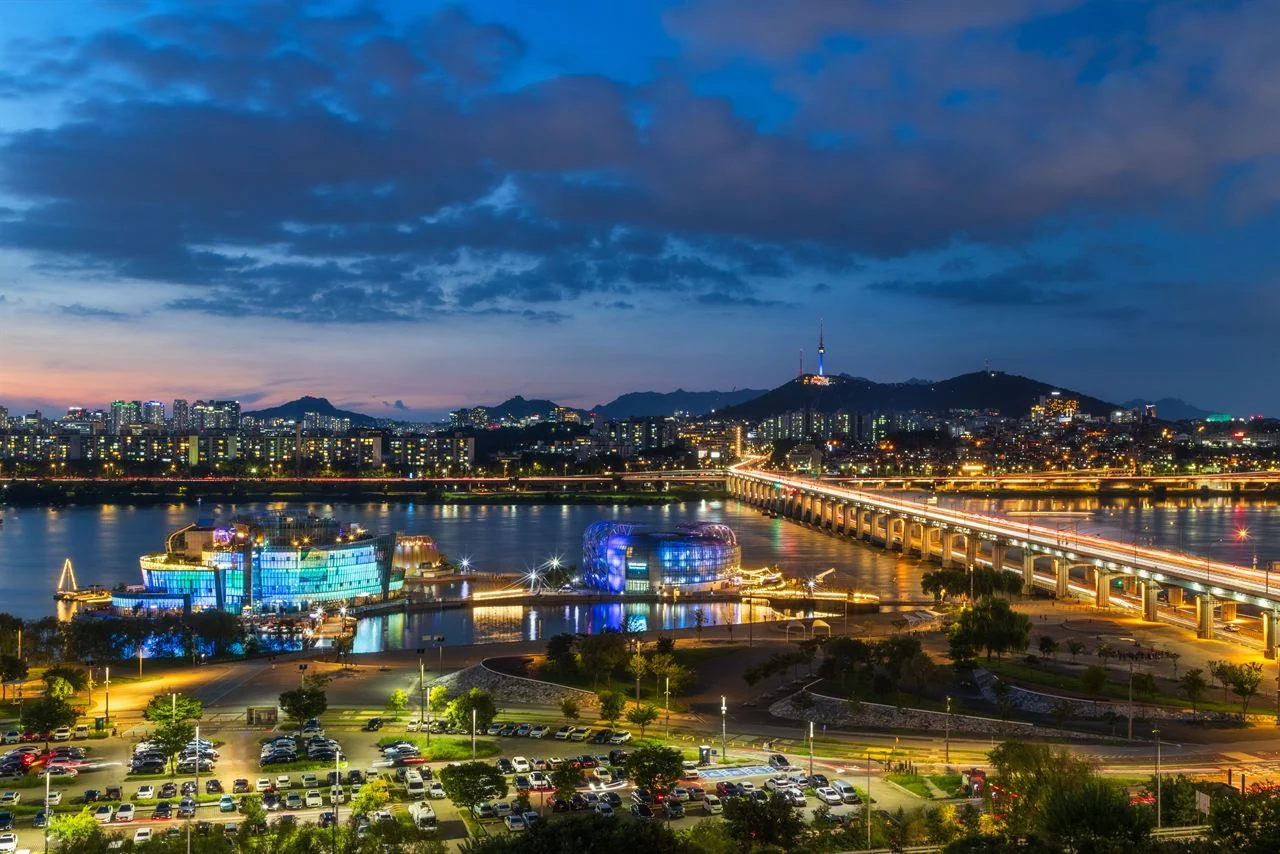
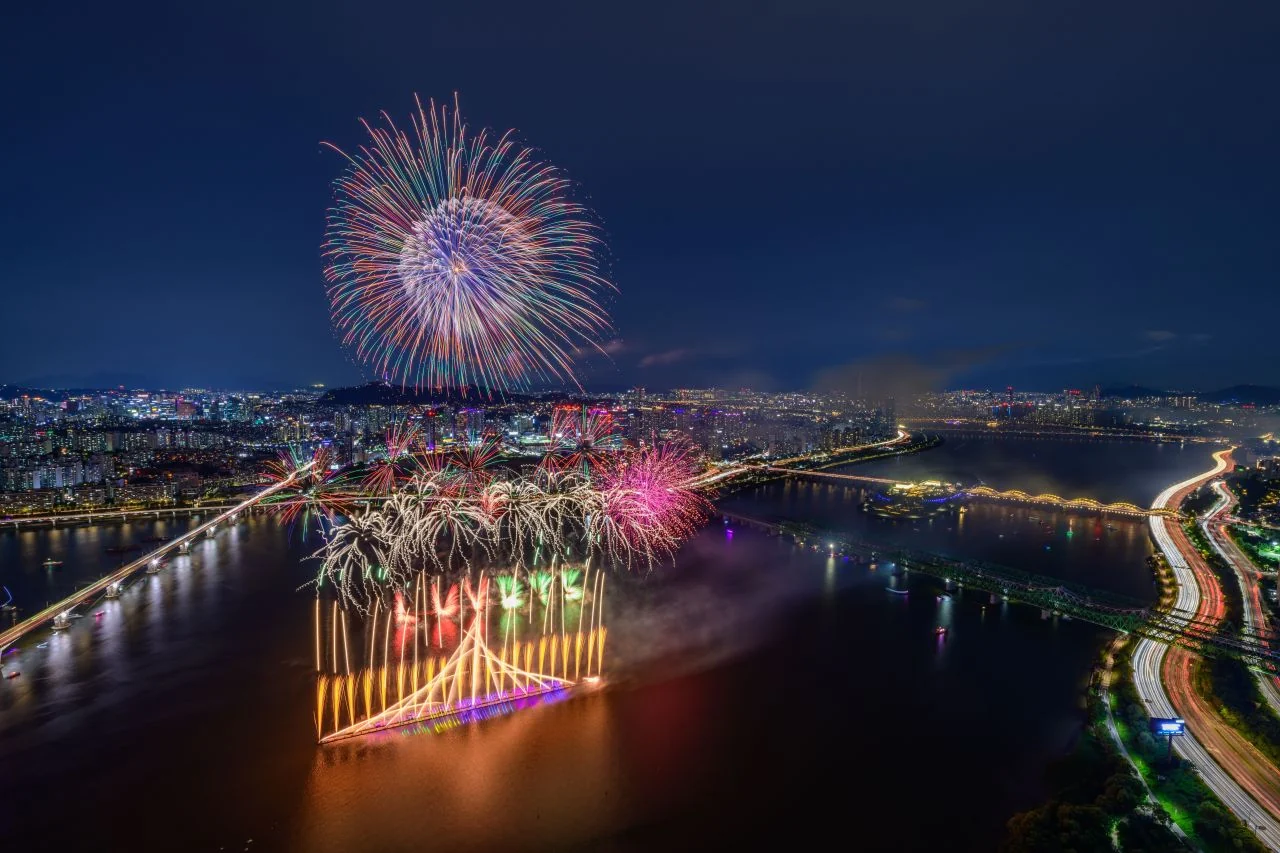
Descending toward the riverfront at Yeouido Hangang Park or Banpo Moonlight Rainbow Fountain offers a relaxing contrast. Sitting on riverside lawns with fresh convenience store ramen while watching bridges illuminate the night water brings the journey to a restful close. For evening planning, read the N Seoul Tower Observatory Guide and the Yeouido Hangang Park Mulbit Square Guide.
Practical Seoul Itinerary Planning, Passes, and Travel Tips
Below is an optimized 4-day itinerary breakdown paired with transit pass advice to ensure seamless travels across Seoul.
| Day | Focus Region | Key Itinerary Highlights | Recommended Transit |
|---|---|---|---|
| Day 1 | Royal Joseon Heritage | Gwanghwamun Square, Gyeongbokgung throne hall, Gyeonghoeru, Seochon cafes | Walking + Subway Line 3 (Gyeongbokgung Station) |
| Day 2 | Historic Alleys & Market Feasts | Bukchon Hanok Village, Changdeokgung Secret Garden, Gwangjang Market | Walking + Subway Lines 1, 3 (Jongno 3-ga) |
| Day 3 | Skyline Views & River Breeze | Deoksugung stonewall path, N Seoul Tower, Yeouido Hangang Park picnic | Subway Lines 1, 2 + Namsan Circular Bus 01 |
| Day 4 | Contemporary Design & Trends | Dongdaemun Design Plaza, Seongsu-dong cafe street, Lotte World Tower | Subway Line 2 (Seongsu & Jamsil Stations) |
| Category | Attraction or Pass | Cost per Person | Practical Advice |
|---|---|---|---|
| Palace Admission | Four Major Joseon Palaces | 1,000 to 3,000 KRW (Free in Hanbok) | Combination Palace Ticket (10,000 KRW) covers 4 palaces and Jongmyo |
| Transit Pass | Climate Card Tourist Pass | 5,000 KRW (1-Day) / 10,000 KRW (3-Day) | Unlimited rides on all Seoul subways and city buses |
| Market Dining | Gwangjang Market Food Stalls | Yukhoe 21,000 KRW / Bindaetteok 5,000 KRW | Cash or T-money card accepted at most traditional vendors |
| Observatory | N Seoul Tower Deck | Adult 21,000 KRW | Online mobile vouchers save 10% to 15% on standard ticket lines |
- Free Palace Admission in Hanbok: Renting traditional or modern Hanbok near Anguk or Gyeongbokgung Station grants free entry into Gyeongbokgung, Changdeokgung, and Deoksugung.
- Bukchon Residential Quiet Hours: Bukchon is a living residential neighborhood; visitors should speak softly and plan visits between 10:00 and 17:00.
- Namsan Circular Bus 01: Taking Circular Bus 01 from Myeongdong or Chungmuro Station offers the cheapest and quickest route straight to the base of N Seoul Tower.
- Palace Closing Days: Gyeongbokgung is closed on Tuesdays, while Changdeokgung and Deoksugung close on Mondays; schedule palace visits on alternating days.