Embarking on a Five-Biome Global Journey Inside the Giant Ecorium Greenhouse
Entering through the West Gate ticketing booth just outside Janghang Station, a scenic boardwalk across wetlands leads toward the majestic glass arches of Ecorium. The futuristic structure curves gracefully like waves against the Korean landscape, welcoming visitors into an expansive central exhibition hall.


The interior tour paths are thoughtfully designed with gentle, barrier-free ramps, making exploration effortless for families with strollers and wheelchair users alike. As you step from one biome chamber to the next, distinct temperature and humidity shifts instantly transport your senses to another corner of the globe.
Amazonian Heat and Giant Freshwater Aquarium in the Tropical Biome
Pushing open the heavy glass doors into the Tropical Biome, a wave of warm, humid air immediately wraps around you. A roaring artificial waterfall cascades down towering faux-rock formations, while lush tropical rainforest canopies and climbing lianas stretch toward the glass ceiling.


Above the walking path, playful tropical monkeys swing effortlessly along suspended ropes. Down below, visitors walk through an impressive aquarium tunnel where legendary Amazonian giants like Pirarucu and pacu glide gracefully through crystal-clear freshwater, accompanied by vibrant living coral reef tanks.


Arid Canyons, Towering Cacti, and Desert Wildlife
Exiting the humid tropics, visitors transition into the pleasantly dry and crisp atmosphere of the Desert Biome. Modeled after the Sonoran, Mojave, and Madagascar deserts, the hall showcases over 450 species of cacti, succulents, and desert flora thriving amidst red sandstone cliffs.


Among the sandy mounds, adorable desert foxes (fennec foxes) snuggle beneath rocky overhangs, while lively black-tailed prairie dogs scurry near their burrows. Nearby, massive spurred tortoises leisurely roam the sunlit sand dunes, delighting young visitors.


Mediterranean Flora and Korean Gotjawal Forest Ecology
The journey continues into the Mediterranean and Temperate Biomes. The Mediterranean hall showcases ancient olive trees, aromatic herbal flora, and exotic carnivorous plants such as Venus flytraps and pitcher plants.


In the Temperate hall, the unique lava forest ecosystem of Jeju Island's Gotjawal is reproduced with crystal-clear mountain streams. In the outdoor-connected aquarium enclosure, visitors can catch glimpses of playful Eurasian otters, designated as a Korean natural monument, gliding swiftly through the water.

Chilly Antarctic Ice Rocks and Playful Gentoo Penguins
The grand finale of the indoor biome tour is the cool and refreshing Polar Biome. Maintained at sub-Antarctic temperatures, the hall recreates subpolar tundra landscapes, alpine conifers, and sub-zero polar research stations.
The undisputed stars of the hall are the colony of Gentoo Penguins and Chinstrap Penguins. Watching these charismatic seabirds waddle along icy ledges before diving gracefully into the chilly waters like sleek torpedoes never fails to draw cheerful smiles from audiences of all ages.




Open Wetland Sanctuaries and Scenic Outdoor Walking Trails
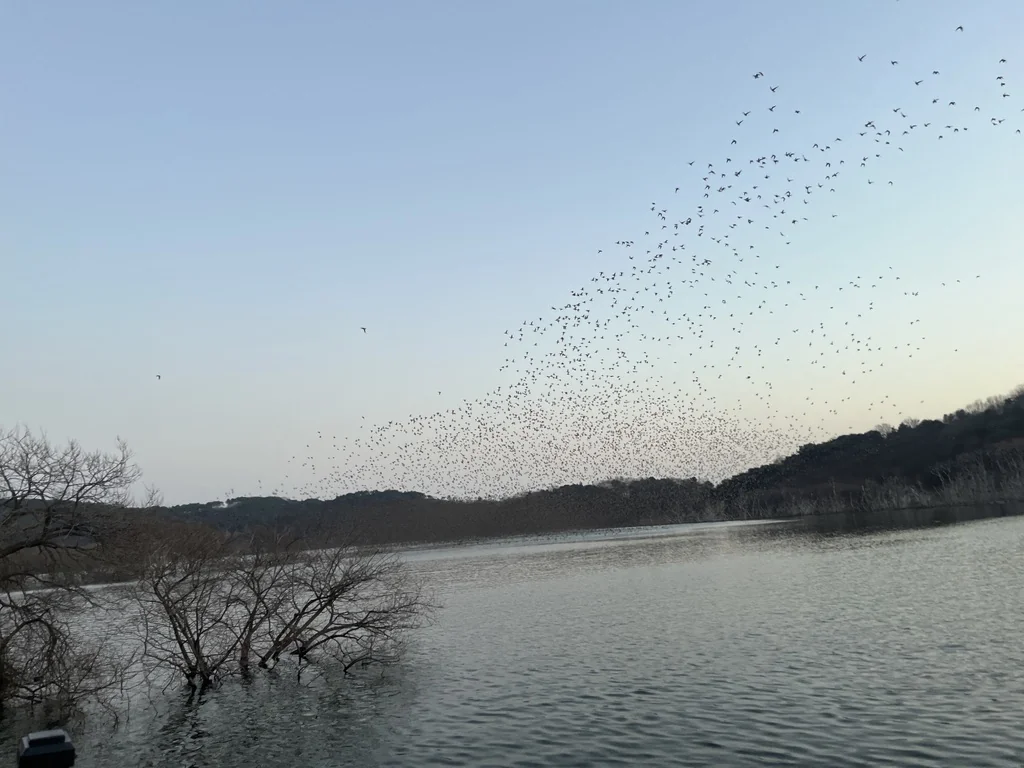
After completing the indoor biomes, step out onto the expansive outdoor marsh ecology park. Extensive reed wetlands, lotus ponds, and deer habitats stretch across the grounds, providing tranquil walking paths with gazebos and wooden bridges.

Ecorium Admission Fees & Operating Hours Table
Operated as a public national research institute, the National Institute of Ecology offers exceptional value with minimal entry fees and free parking.
| Ticket Category | Age Group | Individual Fee | Group Fee (20+ Persons) |
|---|---|---|---|
| Adult | Ages 19 - 64 | 5,000 KRW | 4,000 KRW |
| Youth | Ages 13 - 18 | 3,000 KRW | 2,000 KRW |
| Child | Ages 5 - 12 | 2,000 KRW | 1,000 KRW |
| Free Admission | Ages 4 & under, Seniors 65+, National merit, Disabled | Free | Free |
| Local Discount | Seocheon residents, Multi-child families | 50% Discount (2,500 KRW) | 50% Discount |
| Parking | Main Gate & West Gate (Janghang Station) Lots | Free | Free |
Visitor Information & Practical Tips
- Address: 1210 Geumgang-ro, Maseo-myeon, Seocheon-gun, Chungcheongnam-do
- Summer Operating Hours (March - October): 09:30 - 18:00 (Last entry 17:00)
- Winter Operating Hours (November - February): 09:30 - 17:00 (Last entry 16:00)
- Closed: Every Monday (If Monday is a public holiday, closed on the following weekday)
- Amenities: Food court, cafe, souvenir store, nursing room, free stroller & wheelchair rentals inside Ecorium
- Public Transit: Located right outside the rear exit of Janghang Station (Janghang Line), only a 3-minute walk to the West Gate
- Recommended Duration: Approx. 2 to 2.5 hours for Ecorium, 3+ hours including outdoor wetlands
National Institute of Ecology Location
Recommended Seocheon Travel Attractions
The National Institute of Ecology serves as the ideal hub for exploring the coastal, cultural, and culinary highlights of Seocheon County. Combine your ecological adventure with these top nearby destinations.
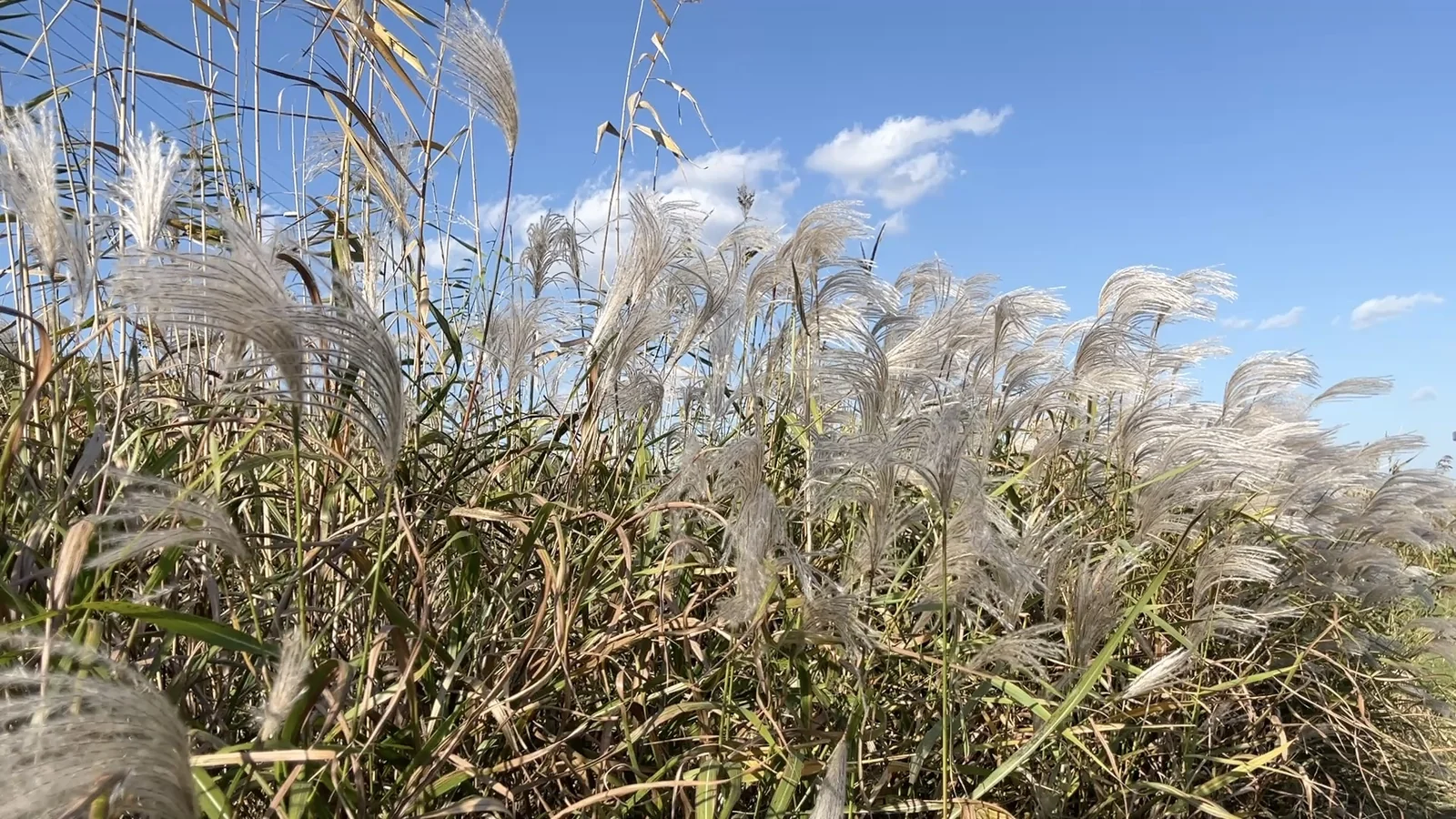
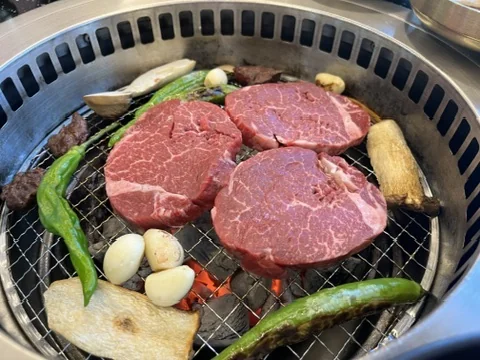
Immerse yourself in nature at the vast silver reed ocean of Sinseong-ri Reed Field and walk through pine canopies along the Janghang Songlim Skywalk. For dining, indulge in premium 1++ Korean beef at Pangyo Hanwoo Village or enjoy the iconic 10,000 KRW charcoal bulgogi set at Seocheon Janghangjib. Conclude your day with herbal tea at the 60-year-old Geumhee Dabang, sample fresh seafood noodles at Seocheon Somunnan Kalguksu, and catch the sunset at Hongwonhang Port.