Framed by rolling mountain ridges and fertile fertile valleys, South Korea's southern Jeolla provinces present an enchanting sanctuary of verdant woodlands and autumn wonders. As crisp seasonal air settles across the Korean peninsula, the ancient peaks erupt into vibrant crimson canopies, sheltering half-century-old evergreen bamboo groves, fragrant cypress sanctuaries, and sprawling golden reed marshes along the southern coast.
Connecting the iconic baby maple tunnels of Naejangsan National Park with the whispering emerald bamboo forests of Damyang Juknokwon, the legendary therapeutic cypress groves of Jangseong Chukryeongsan, and the UNESCO-recognized coastal reed expanses of Suncheonman Bay, this comprehensive 4-day travel guide offers a restorative nature journey grounded in firsthand discovery.
Fiery Crimson Foliage Tunnels and Uhwajeong Pond Pavilions in Naejangsan
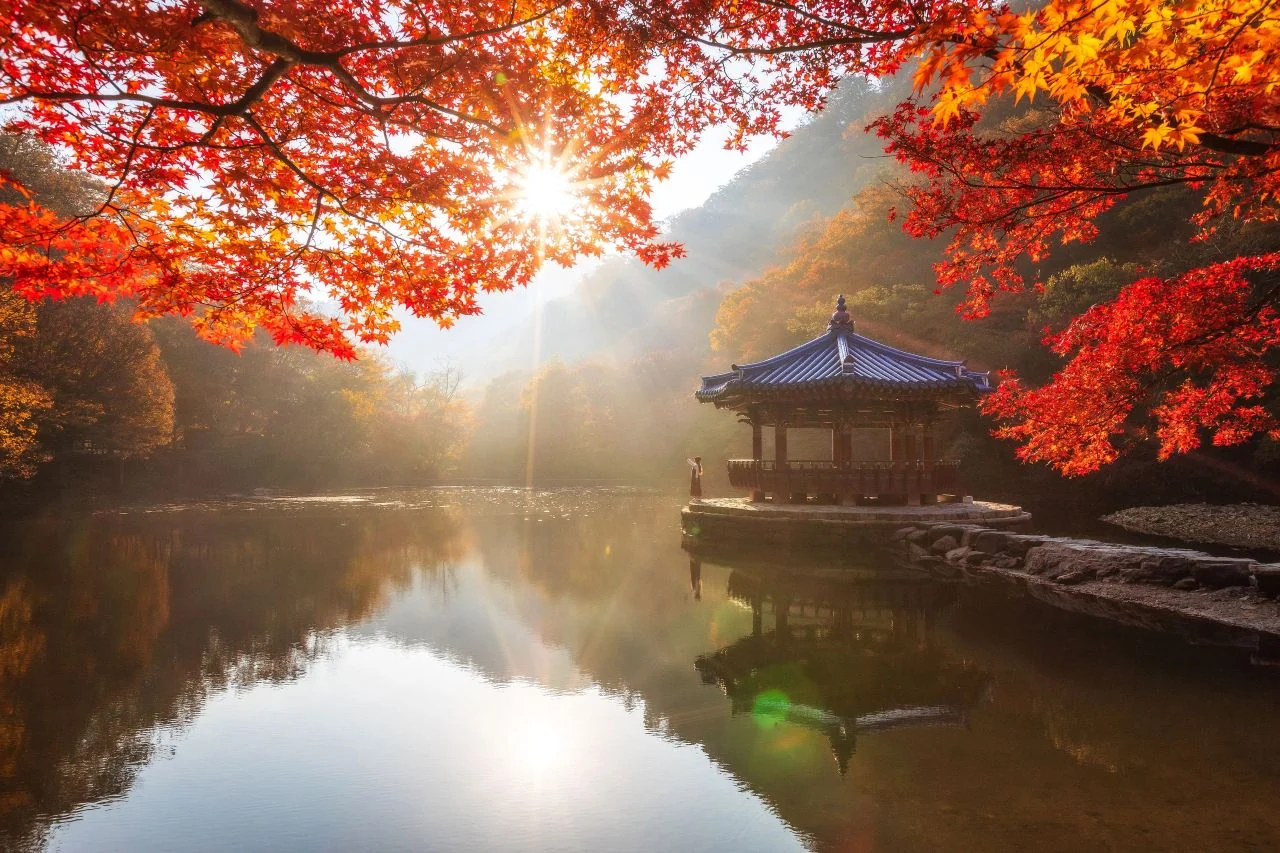
Recognized for centuries as South Korea's premier autumn spectacle, Naejangsan National Park welcomes travelers with thousands of mature native maple trees forming arched tunnels of intense scarlet and amber. Strolling along the soft earth paths toward Naejangsa Temple, visitors arrive at the tranquil lotus pond where the blue-tiled Uhwajeong Pavilion floats gracefully upon the water's surface, mirroring the fiery crags of Mount Baekhakbong above.
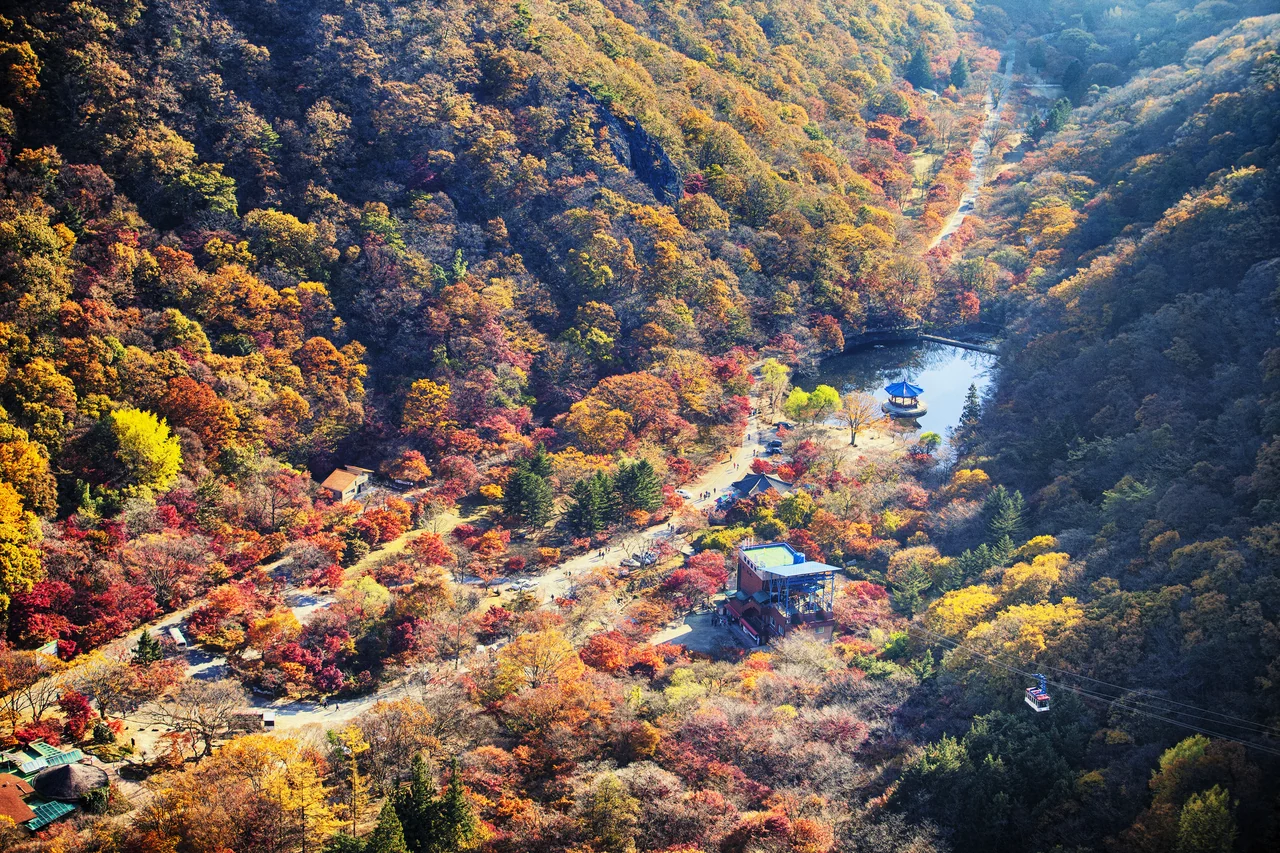
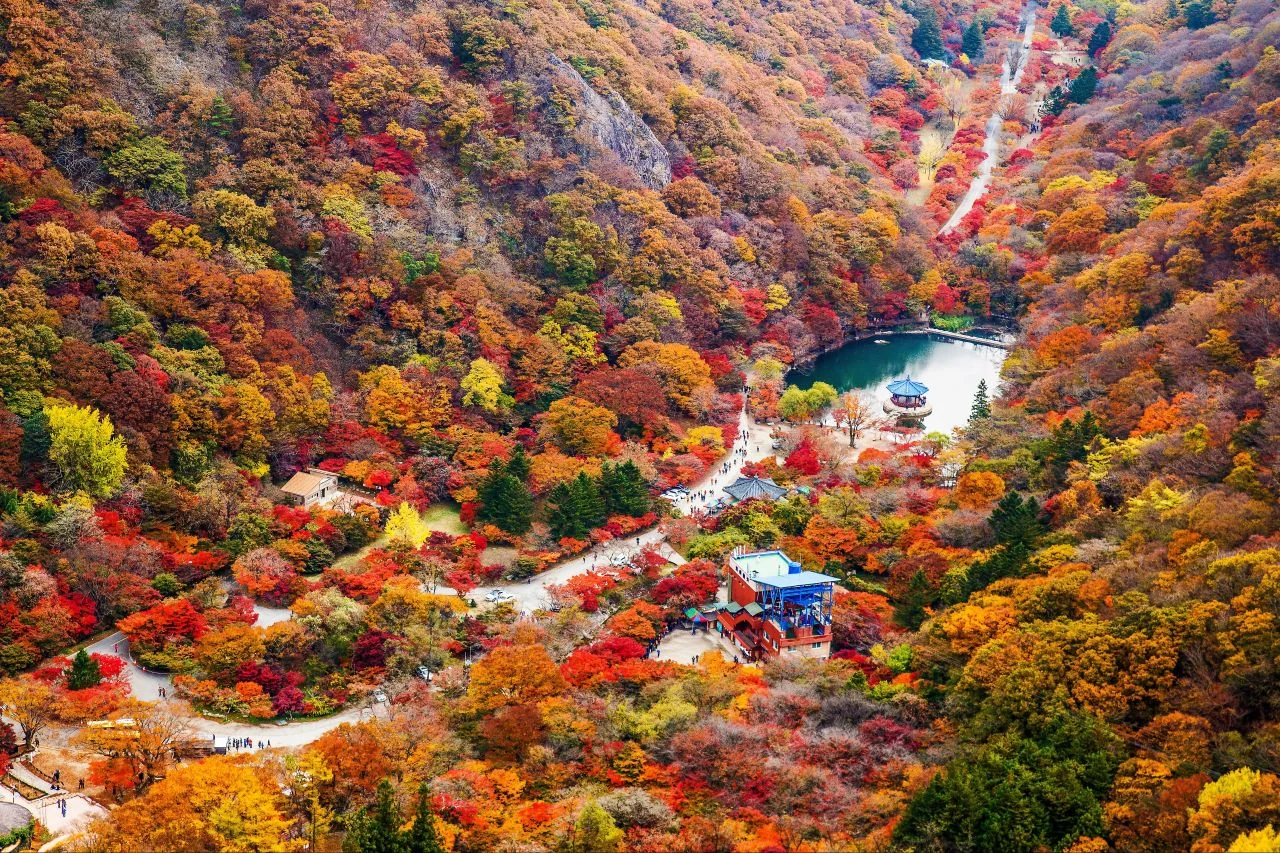
The delicate foliage, prized for its miniature hand-shaped leaves that turn intensely vivid scarlet, flutters gently in the mountain breeze while temple chimes echo through the valley. Ascending by aerial cable car toward Yeonjabong Peak provides breathtaking panoramas detailed in the Naejangsan National Park Autumn Foliage Guide.
Evergreen Bamboo Groves and Towering Metasequoia Avenues at Damyang Juknokwon
Traveling south from Jeongeup leads travelers into Damyang, the historic heartland of Korean bamboo craft and classical pavilion literature. Spread across thirty hectares on the slopes of Mount Seonginsan, Juknokwon features dense forests of towering green timber bamboo where interior temperatures drop noticeably upon entering.
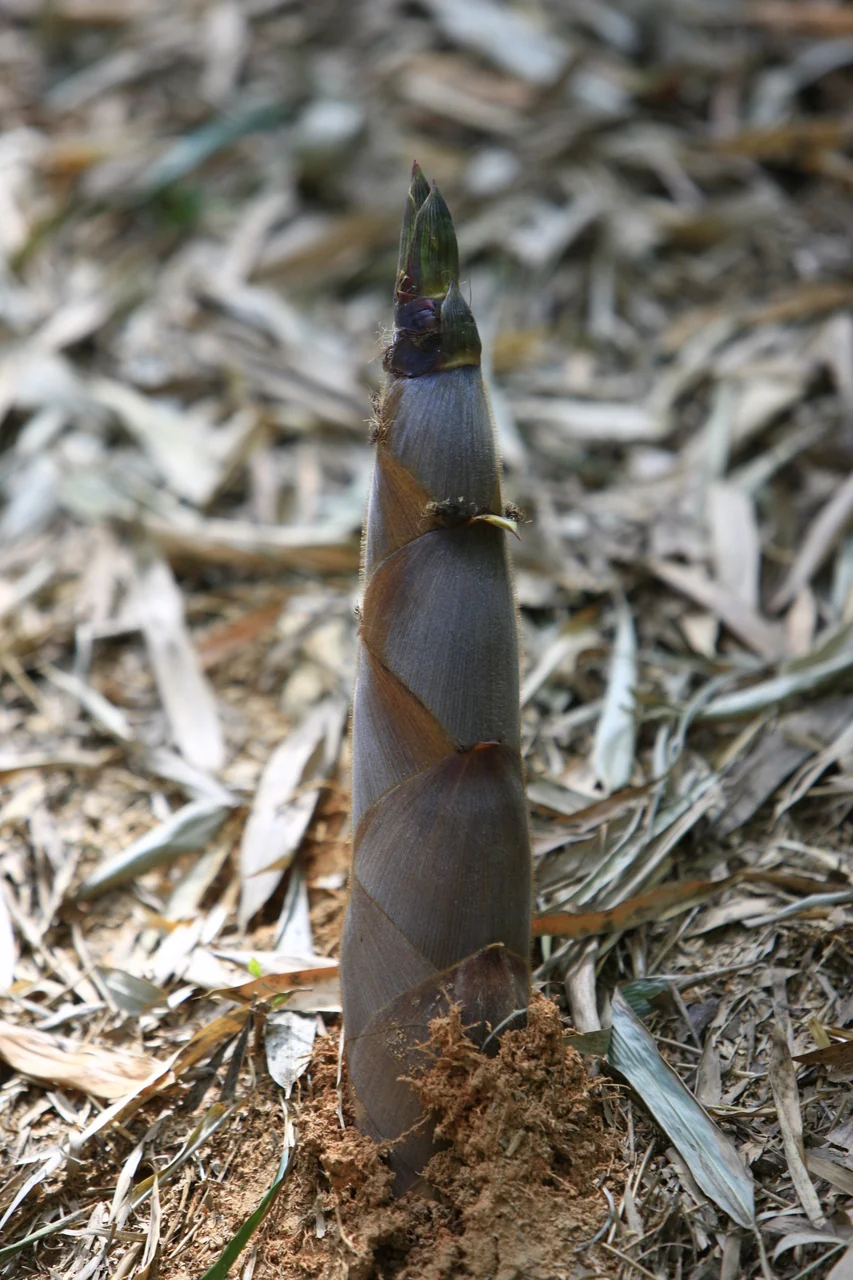
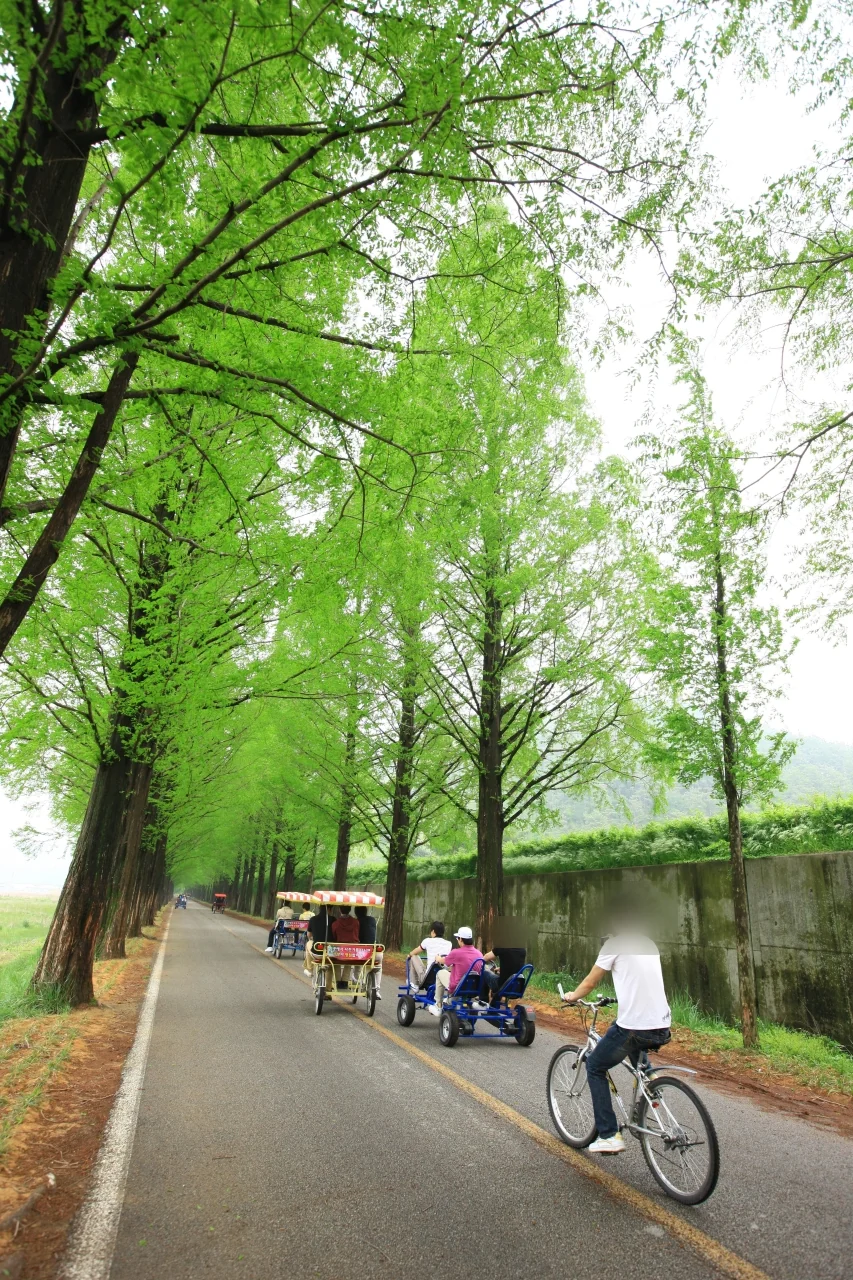
Wandering along eight thematic forest paths allows travelers to breathe in rich concentrations of oxygen and natural negative ions while bamboo leaves rustle overhead. Continuing outside into the historic Gwanbangjerim ancient woodland and along the brick-colored Metasequoia walkway is highlighted in the Damyang Juknokwon Bamboo Forest Walking Guide.
Centuries-Old Cypress Tree Canopy and Healing Phytoncides in Jangseong
Crossing westward into neighboring Jangseong unveils Mount Chukryeongsan, home to South Korea's greatest forestry reforestation triumph. Transforming barren hillsides into a dense sea of over three million Japanese cypress and cedar trees, this sanctuary represents a lifetime of devotion by pioneer foresters.
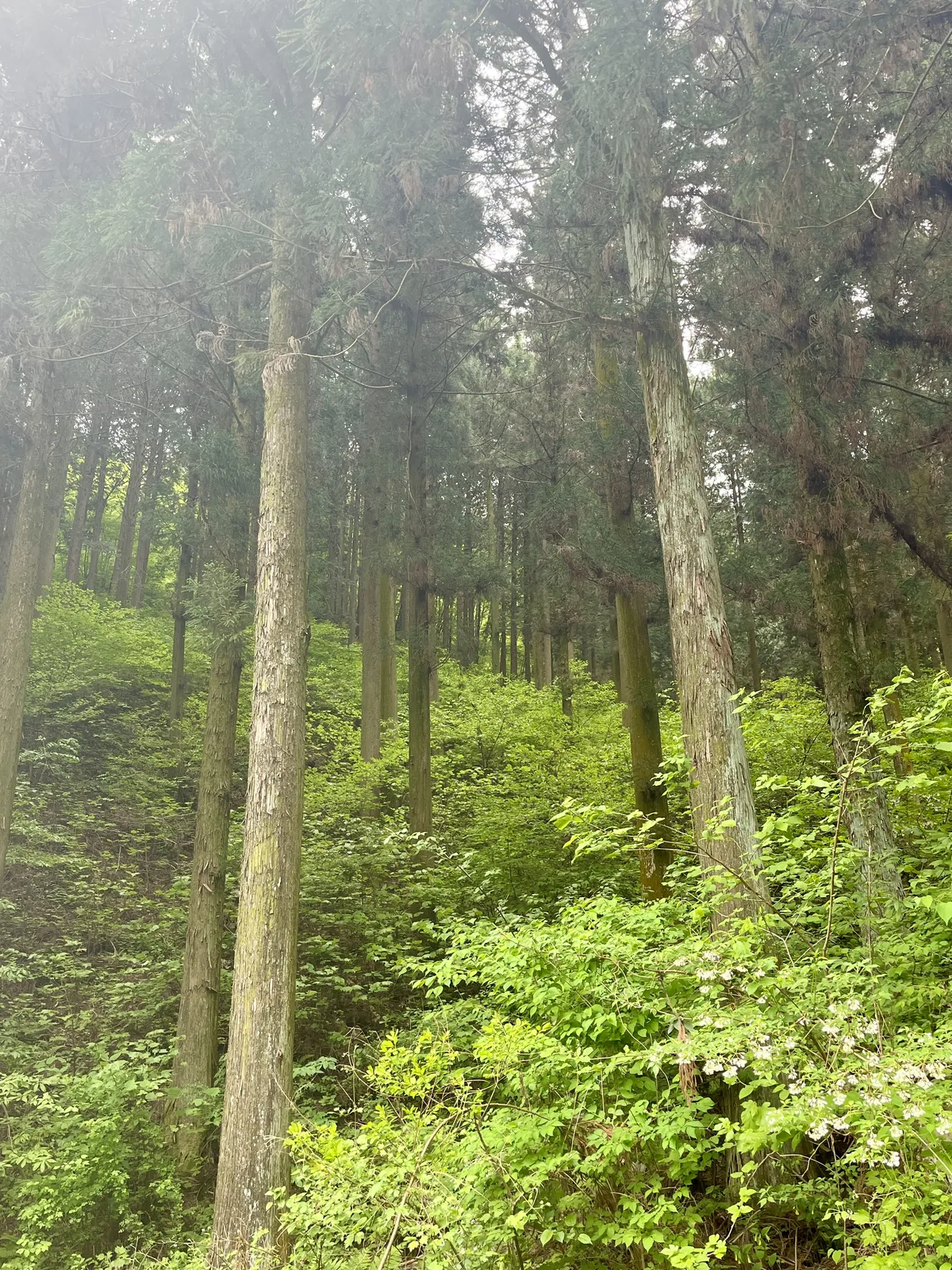
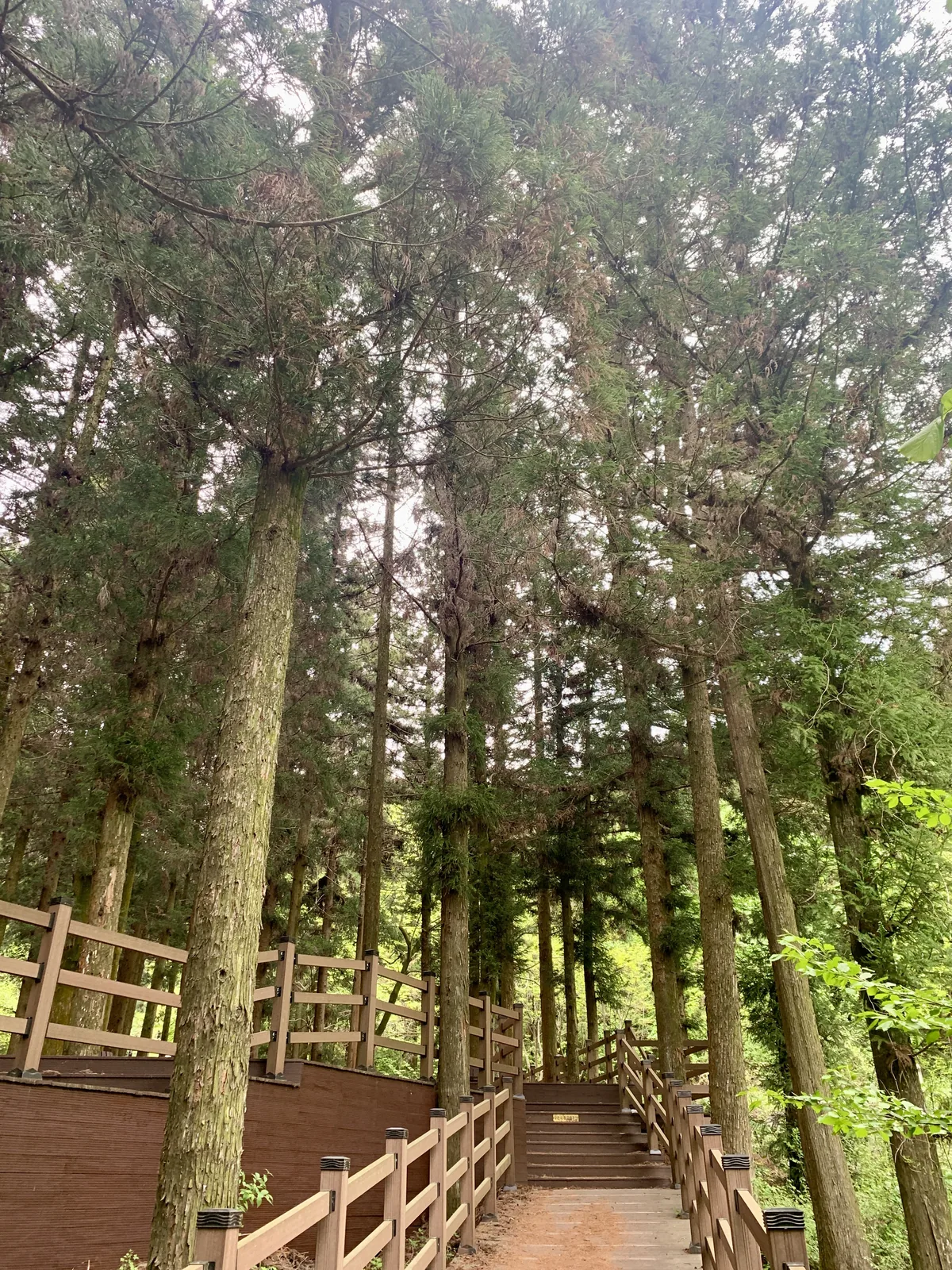
Strolling along barrier-free elevated wooden walkways beneath straight-trunked cypress trees provides unmatched restorative benefits. Resting on elevated forest platforms to gaze upward into the sunlit canopy rejuvenates tired minds. Explore detailed trail networks in the Jangseong Chukryeongsan Cypress Forest Review.
Sweeping Golden Reed Oceans and Winding Coastal Boardwalks in Suncheonman
Concluding this restorative road brings travelers to Suncheonman Bay Wetland, one of the world's five largest coastal tidal marshes and a UNESCO World Natural Heritage site. Across five million square meters of pristine tidal flats, endless fields of golden reeds sway beneath sea winds where tidal streams wind out toward the ocean.
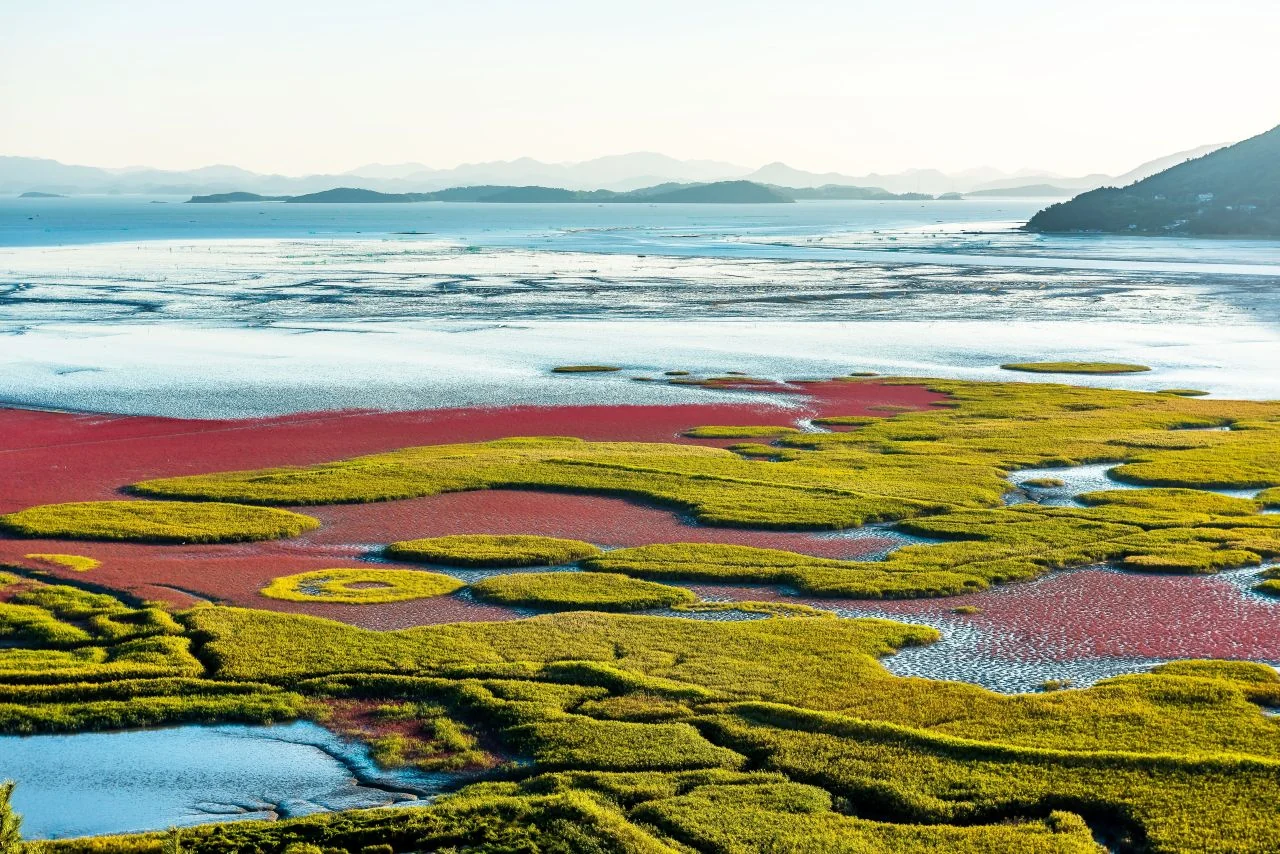
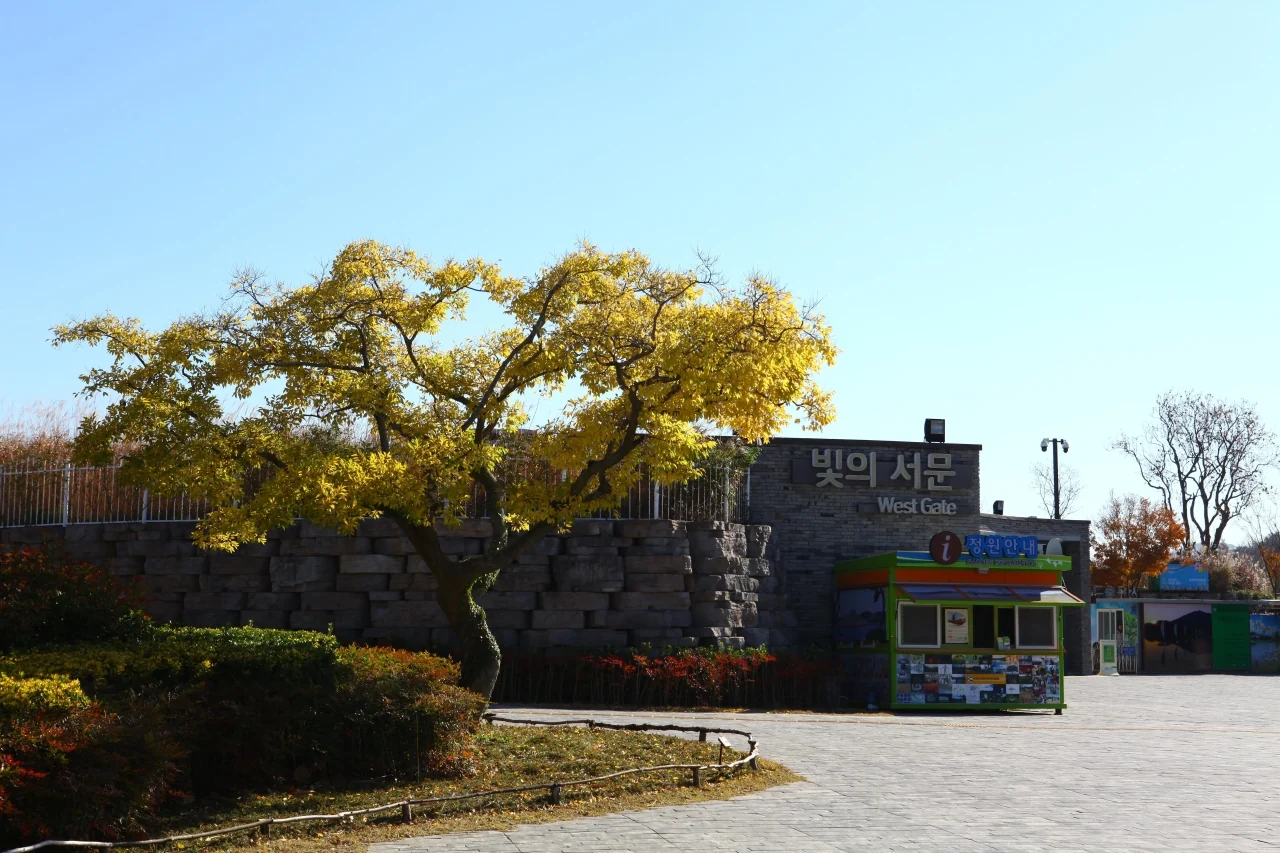
Walking along elevated wooden footpaths over mudflats alive with fiddler crabs and mudskippers leads to the forested trail of Yongsan Observatory. Gazing across the famous S-curved tidal channel bathed in fiery sunset hues creates an unforgettable memory. Full visiting logistics are detailed in the Suncheonman Bay Wetland Reed Guide.
South Korea Forest Travel Itinerary Planning, Rail Passes and Practical Tips
Below is an optimized 4-day travel itinerary paired with estimated admission and transport costs across South Korea's southern healing forests.
| Day | Focus Theme | Key Route & Sights | Recommended Transit |
|---|---|---|---|
| Day 1 | Crimson Maple National Park | Jeongeup KTX arrival, Naejangsan maple tunnel, Uhwajeong pond, Naejangsa temple, cable car | KTX to Jeongeup + local bus 171 or rental car |
| Day 2 | Emerald Bamboo & Tree Avenues | Damyang Juknokwon bamboo groves, Gwanbangjerim stream trees, noodle street lunch, Metasequoia road | Rental car via Honam Expressway (35 mins) |
| Day 3 | Therapeutic Cypress Woodlands | Jangseong Chukryeongsan Moam village boardwalk, healing center deck, Baekyangsa temple | Rental car via Route 15 (25 mins) |
| Day 4 | Golden Reeds & Sunset Marshes | Suncheonman National Garden, reed boardwalk trail, Yongsan Observatory S-curve sunset | Namhae Expressway drive (approx 1 hour) |
| Category | Attraction or Reserve | Admission Fee | Helpful Advice |
|---|---|---|---|
| National Park | Naejangsan National Park | Free Admission (Cultural fees abolished) | Hop on the park electric shuttle bus (1,000 KRW) during peak autumn weekends |
| Eco Sanctuary | Damyang Juknokwon | Adult 3,000 KRW | Using the rear gate parking area allows quiet access to the hanok cultural village |
| Healing Forest | Jangseong Chukryeongsan Cypress | Free Admission | Park at Moam Log Village lot and follow the gentle unpaved forest track |
| Coastal Wetland | Suncheonman Bay Wetland & Garden | Combined Ticket 10,000 KRW | One combined ticket grants same-day admission to both the National Garden and Bay Wetlands |
- Early Arrival at Naejangsan: During peak November foliage, tourist buses arrive early; entering before 8:00 AM ensures peaceful strolls around Uhwajeong Pond without crowded paths.
- Noodle Street Lunch in Damyang: After touring Juknokwon, cross the river to Damyang Noodle Street for delicious warm anchovy broth noodles and boiled bamboo leaf eggs.
- Picnic Mat for Cypress Forest: Wooden platforms are scattered across Chukryeongsan; bringing a lightweight compact mat allows serene forest meditation beneath the pines.
- Sunset Timing at Suncheonman: The hike to Yongsan Observatory takes forty minutes each way; clear the entrance gate at least ninety minutes before sunset to catch the golden glow.