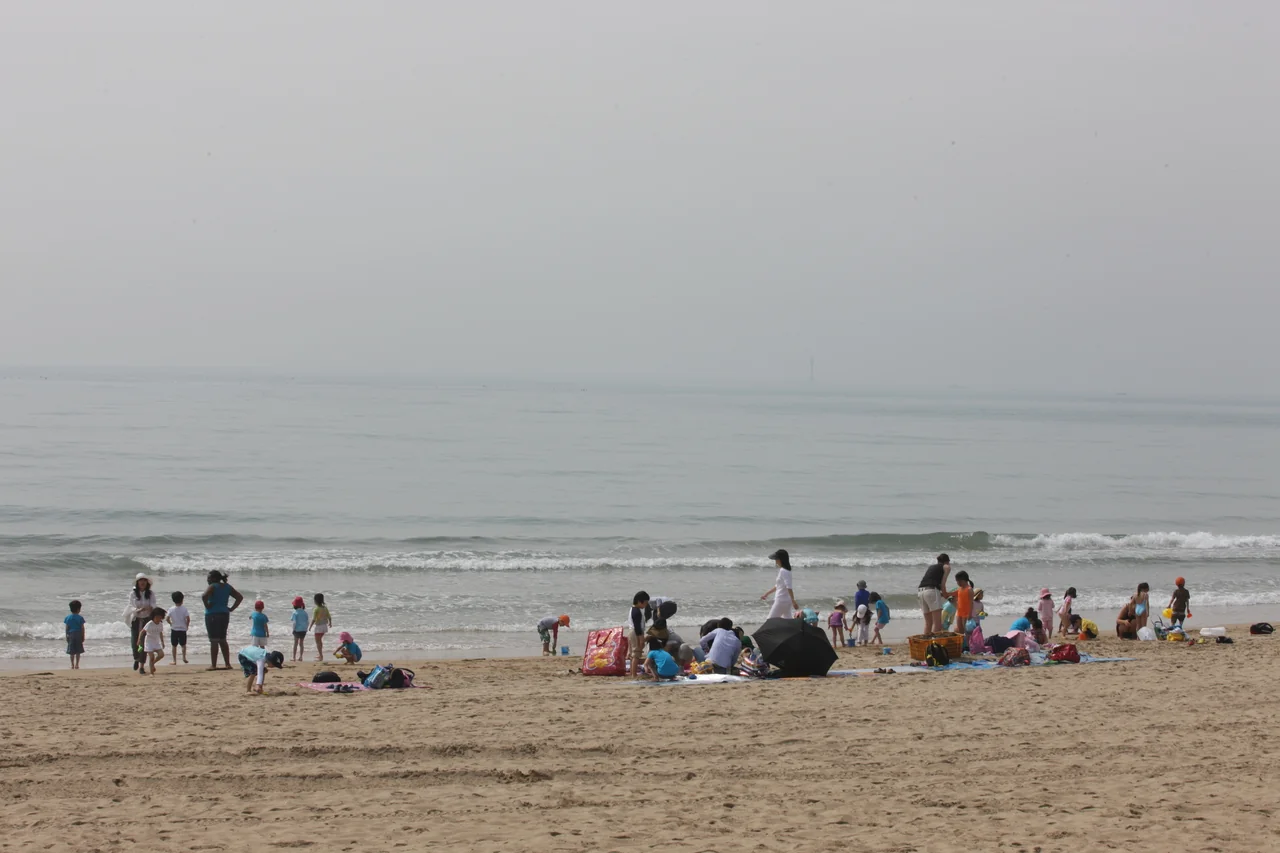
Where the East Sea converges with the South Sea, Busan stands as a dynamic maritime gateway with thousands of years of oceanic heritage. Behind the glimmering skyscrapers of Marine City and the golden sands of Haeundae Beach lies a grand saga of prehistoric voyagers who crossed open seas in dugout wooden canoes to reach Kyushu, Japan.
From the ancient Dongsam-dong Shell Mounds perched along the coastal cliffs of Yeongdo to the scenic Haeundae Blueline coastal train and the tranquil pine trails of Busan Healing Forest in Gijang Ahopsan, this guide explores the deep cultural and wellness textures of Busan based on official public records and certified docent commentary.
Ancient Maritime Pioneers of Dongsam-dong
The Dongsam-dong Shell Mound in Yeongdo is far more than a simple prehistoric relic; it is an invaluable archaeological treasury. Within its thick stratified layers of discarded shells lie the well-preserved remains of oysters, abalones, and conches gathered by Neolithic fishermen from turbulent waters.
Skeletal analyses of skulls recovered from this site revealed auditory exostosis—a benign bony growth in the ear canal caused by repeated exposure to cold deep water. Also observed frequently in modern Haenyeo (female divers), this physical adaptation provides tangible proof that Neolithic seafaring people routinely dived into profound ocean currents to sustain their coastal communities.
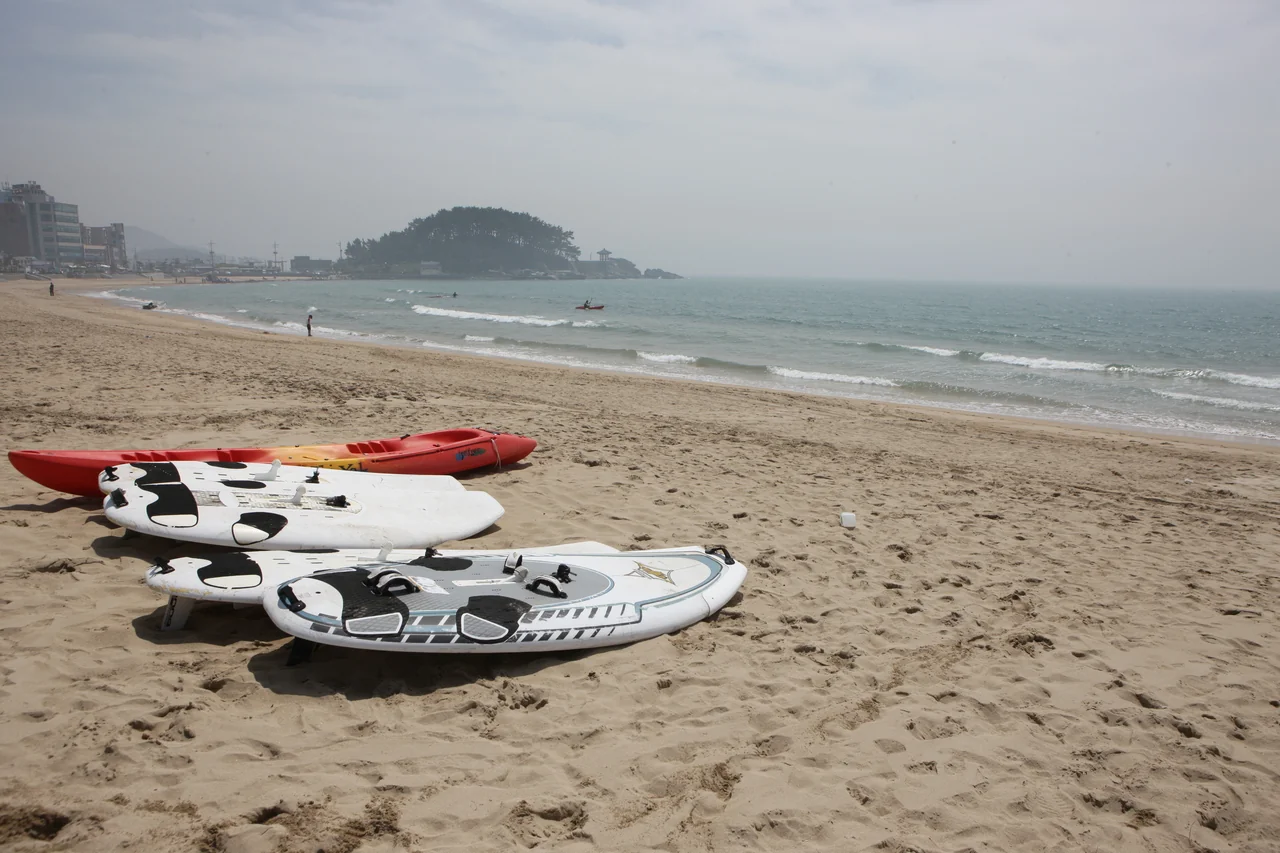
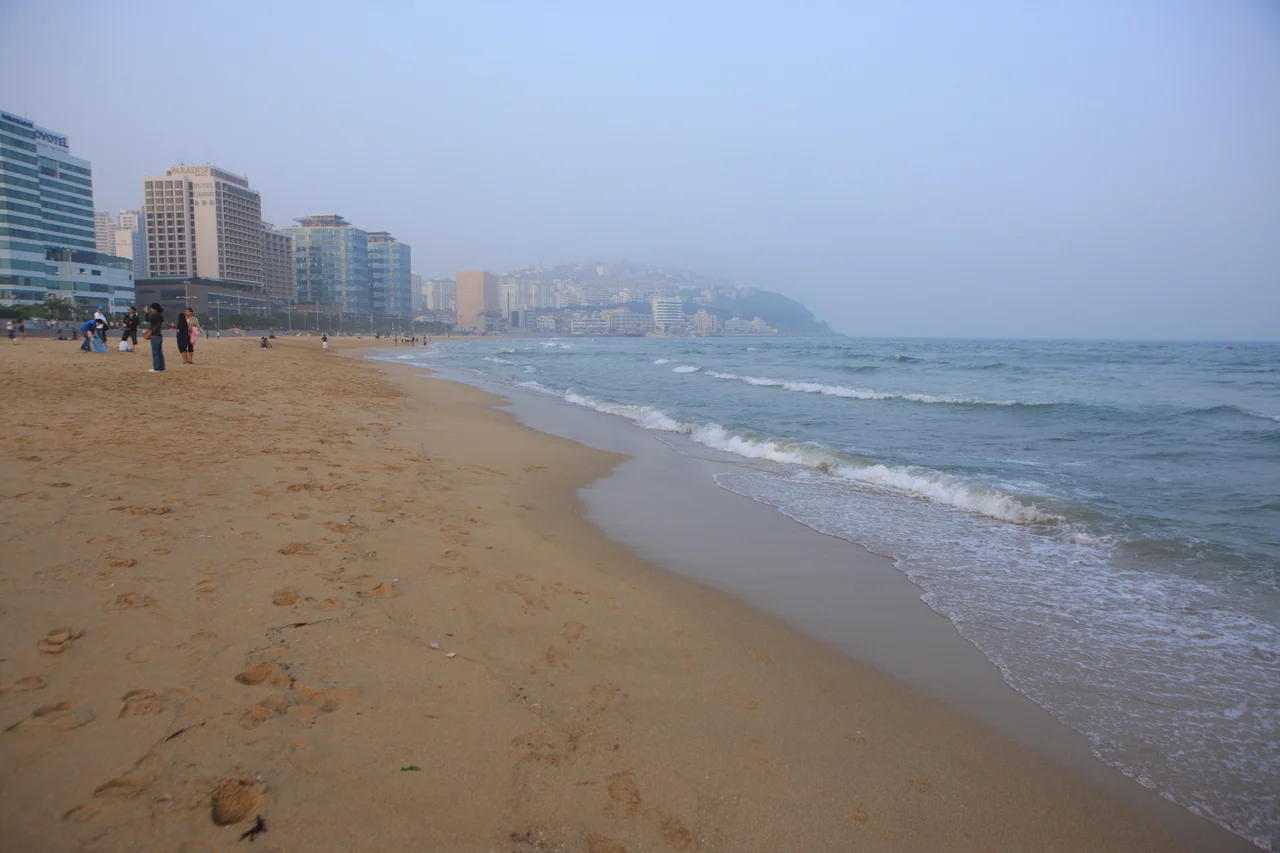
Maritime Exchange and Obsidian Clues
Behind museum showcase glass, shimmering fragments of deep black volcanic obsidian and patterned Japanese Jomon pottery capture the imagination. Since natural obsidian forms exclusively in volcanic regions like Mount Baekdu or Kyushu, its substantial discovery in Busan clearly illustrates how active and dynamic prehistoric maritime exchanges truly were.
Navigating the 50-kilometer expanse of open ocean between Busan and Tsushima Island was a perilous endeavor. Yet ancient seafarers astutely utilized northeastward currents from Geoje Island and seasonal monsoon winds to cross the Korea Strait in dugout canoes. Discovering how artefacts such as Korean water deer canine ornaments and composite fishhook technologies reached Kyushu reveals fascinating early cultural ties that developed between the two regions.
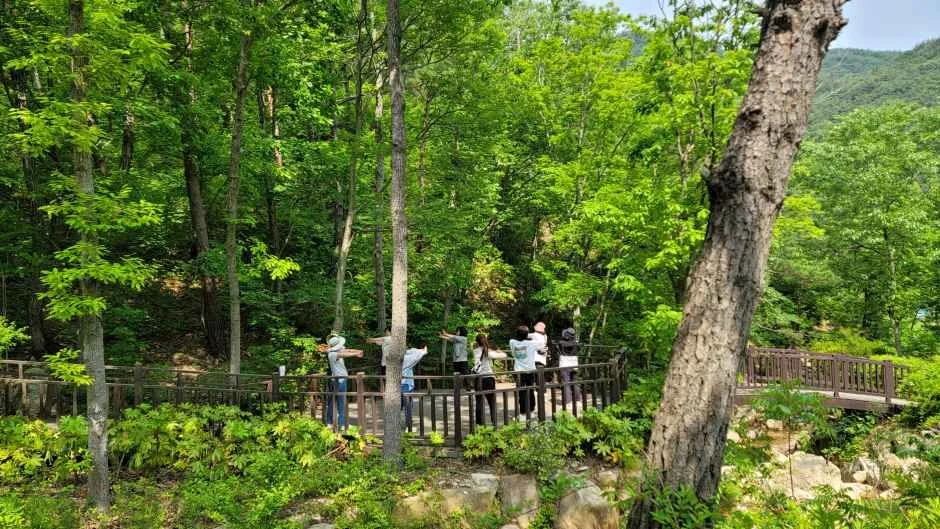
Busan Healing Forest in Gijang
Traveling northeast toward Cheolma-myeon in Gijang County reveals the serene 153-hectare expanse of Busan Healing Forest. Set against the gentle ridgelines of Ahopsan, shaded forest trails winding through lush oak and red pine canopies fill the air with crisp, invigorating phytoncides.
Officially certified as an exemplary K-Wellness destination by the Ministry of Culture, Sports and Tourism, the sanctuary conducts guided forest therapy programs led by certified specialists. Listening to gentle mountain brooks and stepping on soft pine needles brings deep restorative peace away from urban rhythms.
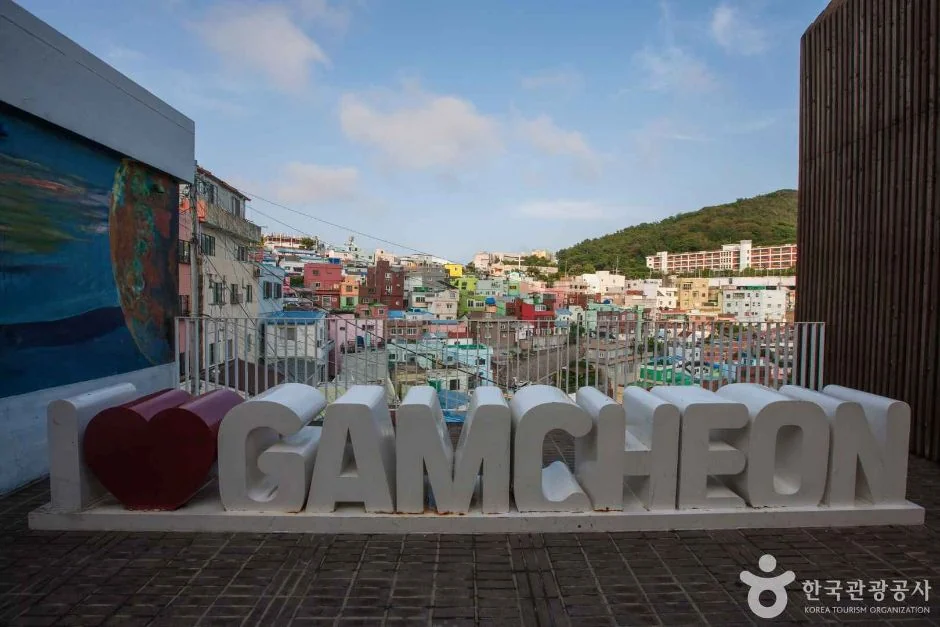
Haeundae Blueline and Coastal Delicacies
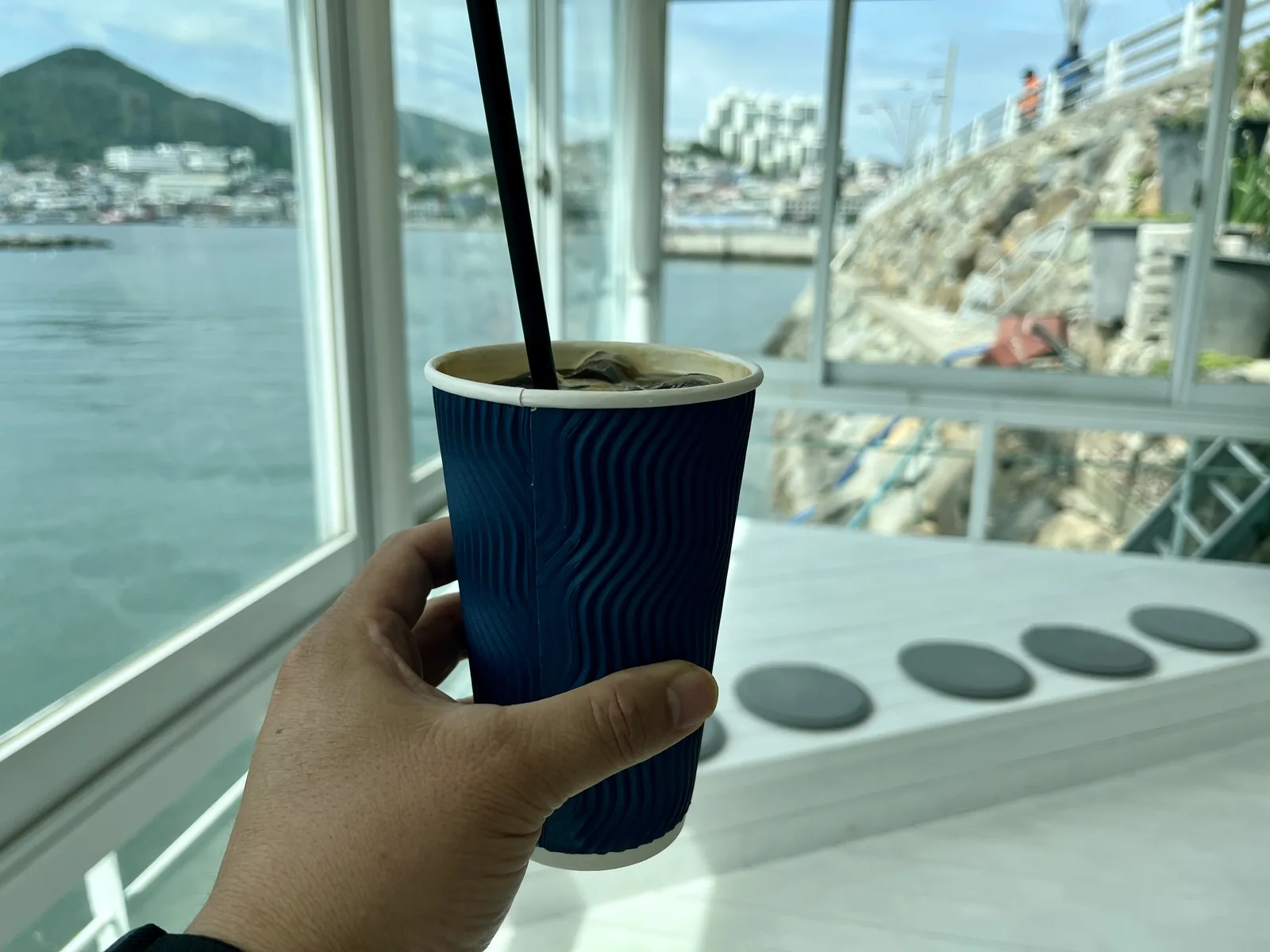
No Busan exploration is complete without experiencing the retro Haeundae Blueline coastal train journeying from Mipo to Songjeong alongside panoramic ocean bluffs. Following the repurposed historic railway, wide train windows frame endless blue horizons and dramatic rocky shores.
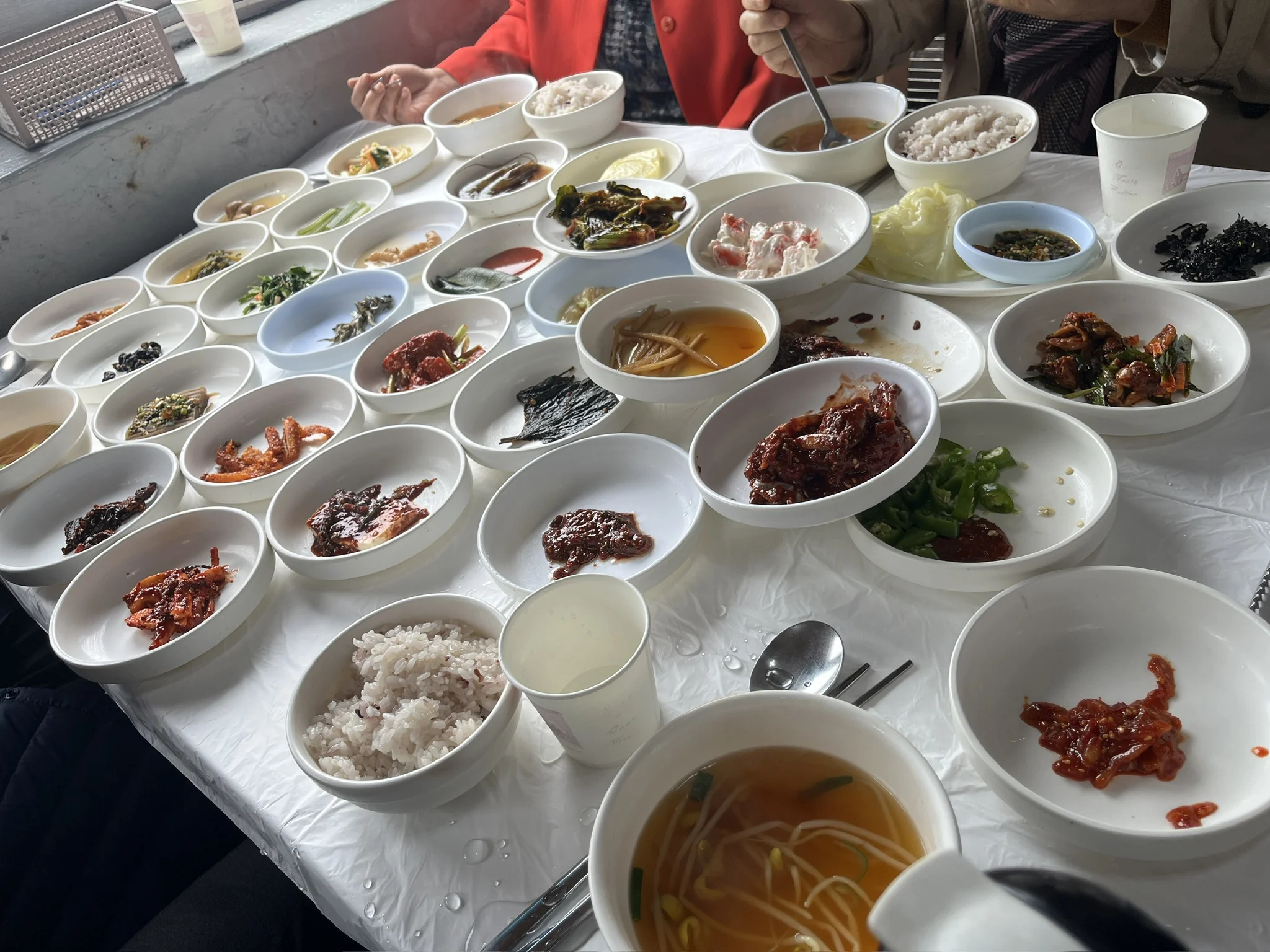
After a refreshing seaside stroll, savoring a simmering bowl of clear cod soup (Daegutang) along Dalmaji-gil or authentic seasoned beef ribs provides nourishing comfort. The warm broth and brisk sea breeze harmonize beautifully to melt away any travel fatigue.
Visitor Guidance and Essential Information
| Location | Highlights | Hours and Admission |
|---|---|---|
| Dongsam-dong Exhibition Hall | Neolithic artifacts and obsidian stratigraphy | Free admission (09:00 - 18:00, Closed Mondays) |
| Busan Healing Forest | Ahopsan pine forest therapy trails | Free entry (Programs require reservation) |
| Haeundae Blueline Park | Coastal train and elevated Sky Capsule | Train single ride 7,000 KRW (09:30 - 19:00) |
| Busan City Tour Bus | Hop-on hop-off double decker from Busan Station | Adult 1-day pass 20,000 KRW (Every 30 min) |
- Address: 729 Taejong-ro, Yeongdo-gu, Busan (Dongsam-dong Shell Mound Exhibition Hall)
- Public Transit: Buses 8, 30, or 88 from Busan Station plaza to Dongsam-dong stop
- Parking: Dedicated parking available at National Maritime Museum and Healing Forest Visitor Center
Connecting the courage of prehistoric mariners with the tranquil whisper of coastal pine forests, Busan offers a deeply rewarding journey where profound history and restful nature harmoniously coexist.